

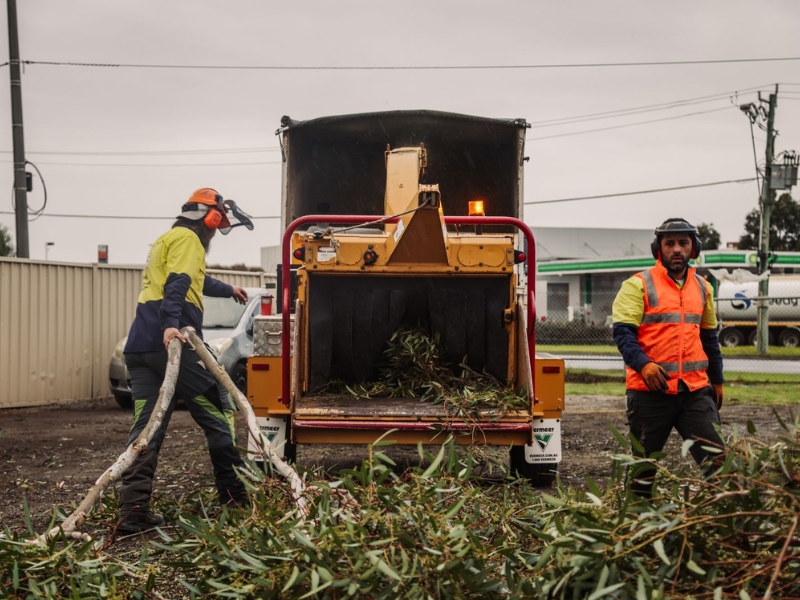
You might look at a fallen tree branch and shrug. It’s just sitting there, not doing much—until it does. What starts as an innocent limb on the lawn can quietly become a problem if left alone. Its weight, angle, or even the way it interacts with the weather can shift from passive to dangerous in a flash. This article explores why you shouldn’t wait to deal with it, and what happens when you do.
Why does a fallen tree branch become a safety hazard?
A fallen tree branch becomes a safety hazard the moment its weight, structure, or position threatens people, pets, or property. That risk isn’t always visible until it’s too late. Here are the main reasons branches become unsafe:
- Shifting balance or movement: Wind, rain, or foot traffic can cause even a settled branch to shift or fall further.
- Cracks or decay inside the wood: A branch might look solid but have rot weakening it from within.
- Sharp ends and splinters: These can cause injuries to kids, pets, or anyone passing too close.
- Overhead or electrical risk: If the branch is near wires, moisture, or movement, it can cause electrical hazards.
It’s tempting to leave it for the weekend, but nature doesn’t always wait. One gust, and things can turn dangerous fast.
How can a fallen tree branch damage your property?
A fallen tree branch can cause surprising levels of damage—not always in dramatic crashes, but through steady pressure, contact, or blockage. Here’s what that looks like:
- Roof damage: Cracked tiles, dented metal roofing, or leaks can form under branch weight or movement.
- Gutters and downpipes: Branches pressing or scraping against them may warp, detach, or clog the flow.
- Broken windows or warped frames: Even minor hits can break glass or shift window seals.
- Landscaping issues: Soil can compact under heavy limbs; plant roots can be disrupted or crushed.
If you’re already seeing signs, you should discover reliable solutions for urgent tree care services before the situation gets more expensive.
Is a fallen tree branch more costly to ignore over time?
Yes. Ignoring a fallen tree branch rarely works out well. Time adds weathering, pests, and added pressure. Costs go up. So does risk. Here’s how it gets worse:
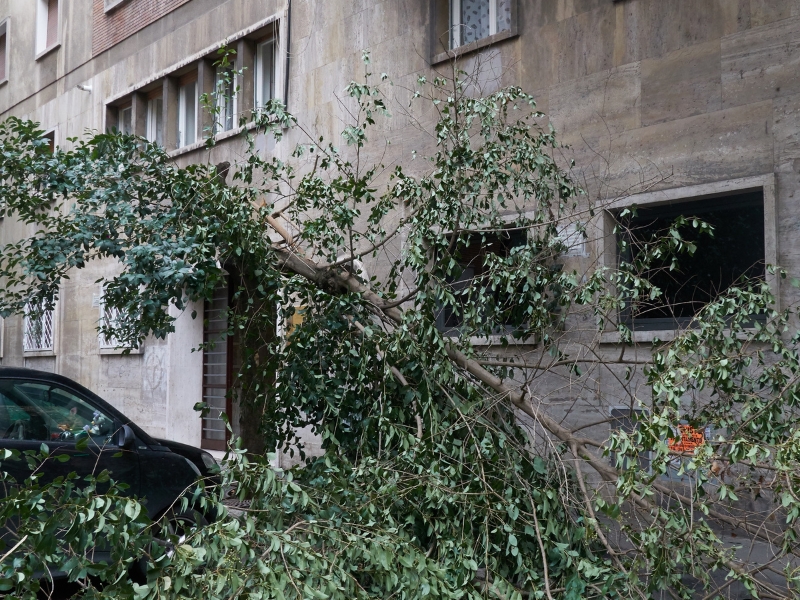
- Decay spreads: Moisture and rot from the branch can spread into nearby wood or soil.
- Insect access: The longer a branch stays, the more likely it is to invite termites, ants or borers.
- Scope of damage increases: What starts as a bent gutter might turn into internal water damage.
- Removal gets harder: The longer it sits, the more the branch becomes entangled or embedded in structures.
If you’re unsure what the financial fallout could be, take a look at the factors that affect the overall cost of urgent services. You’ll get a better sense of why timing matters. Waiting too long may cost triple the effort and price it would take today.
When should professionals handle a fallen tree branch?
You’ll want to call in professionals when the size, position, or complexity of the branch makes DIY risky—or impossible. Here are situations where you should pick up the phone:
- The branch is too large or awkward to lift safely
- It’s near power lines, fences, or rooftops
- It’s lying on sloped or uneven ground, where movement could be dangerous
- The branch shows rot, insect holes or unstable ends
Here’s a quick guide to help you decide when it’s time to bring in the experts:
| Scenario | DIY Risk Level | Professional Required? | Why It Matters |
| Small branch on open flat ground | Low | Not always | Safe to remove if stable and manageable |
| Large limb near the roof or the fence | High | Yes | Risk of property damage from incorrect lift |
| Branch entangled in wires | Very High | Absolutely | Electrical hazard—requires a certified team |
| Slippery or sloped removal surface | Medium–High | Often | Terrain instability increases fall risk |
| Signs of decay or splitting | High | Yes | Unstable wood may snap unpredictably |
When you’re not sure if it’s safe to handle, that’s already a strong case for a professional opinion. It’s not just about tools—it’s about knowing what could go wrong and avoiding it entirely.
Which steps help prevent another fallen tree branch incident?
Avoiding repeat branch problems starts with attention to tree health and yard conditions. You don’t need to become an arborist—just keep an eye out. These are the best ways to stay ahead of trouble:
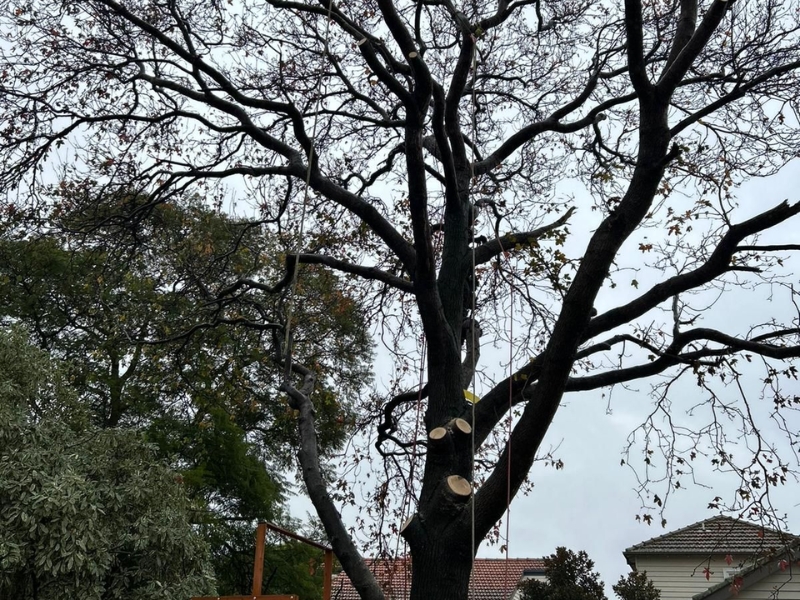
- Check tree limbs regularly for cracks, splits, deadwood or leaning
- Prune at the right time of year, ideally during dormancy, when stress is lowest
- Care for the soil and roots with proper watering, mulch, and avoiding soil compaction
- Inspect after extreme weather to catch problems before they fall
If cleanup leaves your ground uneven, try these ways to level uneven ground after major outdoor work to avoid trips, pooling water, or further landscaping issues. Prevention isn’t about constant effort—it’s about catching the easy fixes before they become headaches.
Are weather conditions making tree branches more dangerous?
Absolutely. The weather plays a huge role in branch failure. Heat, wind, cold snaps or heavy rain can all put pressure on already weakened limbs. Let’s look at the most common triggers:
- Strong wind causes branches to snap or dislodge
- Rain saturates the soil, loosening root holds and shifting weight
- Sudden heat or cold swings expand and contract wood fibres until they crack
- Ice, hail or lightning add sudden force that branches can’t always absorb
Before doing any work outside, especially after a storm, make sure you’re aware of safety compliance for outdoor work and maintenance. Safety first—especially when heavy wood or live power lines are involved. Storms today are more erratic. That’s why branches fall from trees that looked fine last week.
Final thoughts on managing risks from fallen branches
A fallen tree branch might seem harmless, but time and neglect often turn it into something more serious. Whether it’s blocking a path, weighing on a structure or tangled near wires, it’s best to deal with it sooner rather than later. If it’s unclear where to start, or the situation feels urgent, you can explore how The Yard handles urgent service needs to understand what’s involved and get practical help when needed. A quick response now can prevent a bigger issue down the track.