

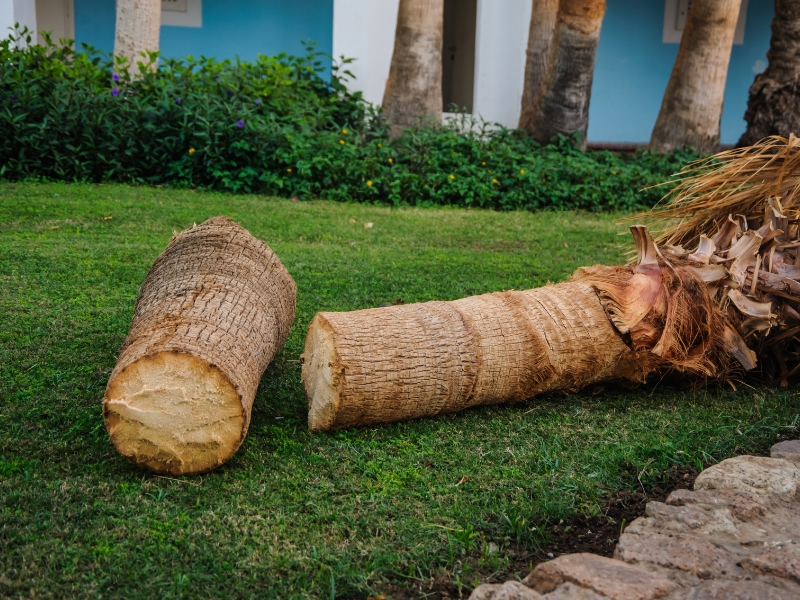
Cutting down a palm tree requires planning because of its height, structure, and potential for messy disposal, which can create safety hazards and damage property. Palm trees may give off a tropical vibe, but cutting one down is rarely a holiday job. In many yards, they grow tall and lean over fences, roofs, or driveways, making them risky to remove without proper preparation. Rushing into it with a saw in hand can leave you with more than a sore back — think broken tiles, a smashed carport, or worse. Planning isn’t just about avoiding drama on the day. It’s also about disposal, council rules, and protecting the rest of your garden. Some palms need specialist equipment, others require permission from the council, and nearly all create piles of waste that aren’t easy to get rid of. By pausing to map things out first, you give yourself the best chance of a safe, clean job that doesn’t blow out your weekend or your budget.
What dangers come with cutting down a palm tree?
The main dangers when cutting down a palm are heavy fronds falling, trunks rolling unpredictably, sudden collapses, and serious injury.
Palms aren’t built like gum trees or oaks. Their fibrous trunks can behave strangely under a saw, and hidden rot often weakens the middle. Imagine climbing up, making a cut, and then watching a massive frond drop without warning — it can do real damage to anyone standing below.
- A single frond can knock someone out cold
- Tall palms make cuts at height dangerous
- Trunks may swing or roll once they hit the ground
- Rotting spots collapse quickly than expected
Many homeowners believe it’ll be a simple DIY project. One bad move later, and they’ve got a broken fence or worse, a trip to the hospital. If you want the best way to remove a palm tree, it always starts with recognising the risks.
When should you hire a professional to cut down a palm tree?
It’s time to hire a pro when the palm is tall, diseased, leaning toward a building, or in a tricky spot near powerlines. Some smaller palms can be managed with the right tools, but once they pass six metres in height, you’re playing with fire if you go it alone. If the palm is leaning dangerously, riddled with disease, or hard to access, the job quickly moves beyond what most backyard gear can handle.
- Tall palms are safest with trained arborists
- Leaning trees near houses or wires spell danger
- Diseased palms can snap without warning
- Narrow access points limit safe machinery use
Trying to take on complex jobs by yourself often ends in regret. Instead, weigh the key factors to consider before backyard tree removal — safety, timing, and whether the risks justify doing it yourself.
There’s also the financial aspect to consider. Palm tree removal cost isn’t fixed; it depends on the tree’s height, species, trunk thickness, and location. Obstacles like sheds, fences, or nearby hazards can push the palm tree removal pricing higher. Even if you’re not searching for exact quotes online, knowing these factors upfront helps you budget more effectively.
Can improper palm tree disposal harm your yard?
Yes — poor disposal of palm waste can cause pest infestations, block drains, ruin soil health, and even land you a council fine. The cutting is only half the battle. Palms don’t break down like ordinary branches, and piles of fronds left behind can be a magnet for termites or rodents. Burning them creates thick smoke, and sneaking them into the green bin often gets people in strife with the council.
- Fronds clog bins and storm drains.
- Leftover trunks draw pests into the yard
- Burning creates smoke that annoys neighbours
- Councils issue fines for dodgy green waste dumping
A sloppy cleanup means headaches that last months. Instead, think about mulching, booking a green waste pickup, or organising a proper tip run. And don’t forget about stumps — why removing tree stumps matters for a healthy yard is that they stop pests, trip hazards, and regrowth issues before they start.
Here’s a quick comparison of disposal options:
| Disposal Method | Benefits | Drawbacks |
| Council green bin | Convenient, regulated | Limited size allowance |
| Mulching service | Eco-friendly reuse | Requires machinery |
| Tip drop-off | Immediate removal | Labour-intensive transport |
| Burning | Quick for small debris | Smoke, restrictions, fines |
And don’t overlook the legal requirements for disposal and cleanup. Councils across Victoria keep a close eye on green waste dumping, and fines aren’t cheap.
Which safety gear is essential before tree felling?
The gear you can’t skip includes a helmet, gloves, safety goggles, chainsaw chaps, steel-capped boots, and a secure harness. Many people start these jobs wearing nothing more than sunglasses and gardening gloves. That’s a recipe for stitches. Proper safety equipment gives you a fighting chance if something goes wrong.
- Helmets protect from falling fronds.
- Goggles stop dust and splinters from getting into your eyes
- Gloves improve grip and cut resistance
- Chainsaw chaps reduce blade injuries
- Steel-capped boots keep your footing steady
Going without is like running onto the footy field in bare feet — you’re bound to get hurt. Alongside PPE, professionals also bring ropes, harnesses, and sometimes lifts. These aren’t optional extras; they’re the tools needed to cut a palm tree safely and efficiently.
How do you prepare the site before removing a palm stump?
Site prep means clearing tools and debris, checking for pipes, marking hazards, and making sure pets and kids can’t get near the area. Even when the tree is gone, the stump can be a pain. Before you start digging or grinding, tidy the space and double-check what’s under the soil. Wet ground can bog machinery, and loose tools lying about are accidents waiting to happen.
- Clear debris and clutter
- Mark irrigation lines and underground pipes
- Assess soil conditions for machinery
- Fence off the area for safety
Without that prep, you risk cracked paving, busted pipes, or someone tripping on equipment. And think ahead about the stump — grinding it down or hauling it out altogether. Knowing early what to do with stump debris saves time, money, and hassle later.
What are the safest techniques for cutting down a palm tree?
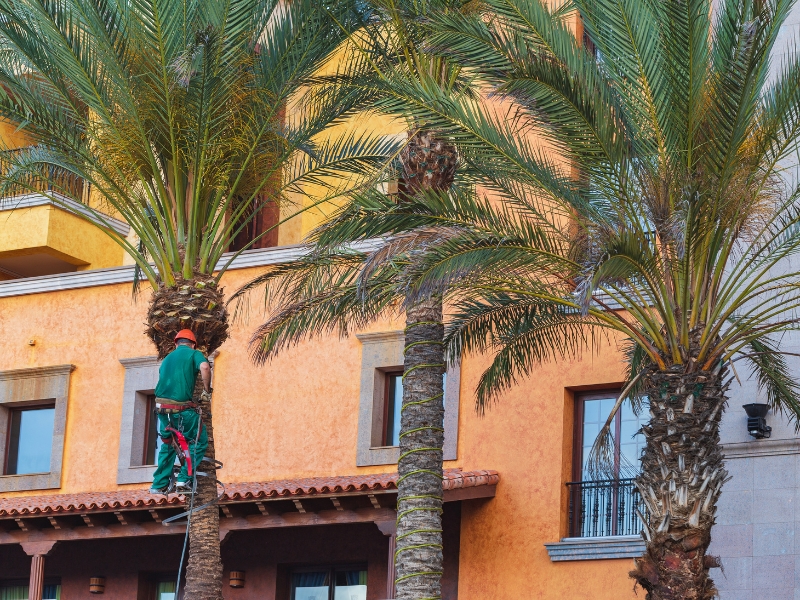 The safest methods are sectional felling, rope-guided cuts, controlled notching, and in some cases, mechanical lifts. Palms can’t be treated like regular hardwoods. They often need to be dismantled bit by bit, with ropes used to lower heavy pieces safely to the ground. Notching the trunk gives you control, and using a lift removes the risk of dodgy ladders.
- Sectional felling reduces the risk of collapse.
- Ropes guide sections where they need to land
- Controlled notching avoids unpredictable splits
- Lifts stabilise tall or awkward palms
These directional felling techniques help avoid nasty surprises. Shortcuts might save a few minutes, but can cost thousands in repairs. Many homeowners also ask about how to cut down a palm tree themselves.
The real answer? It depends on the size, access, and any rules in your area. Always double-check Victorian regulations for native vegetation removal before firing up the saw. Timing matters too. When is the best time to cut down a palm tree? Cooler months are usually safer, with slower growth and firmer soil, while avoiding the storm season keeps things steadier.
Final thoughts on safe palm tree work
Safe palm tree work means taking time to plan, wearing the right gear, and knowing when a professional is worth the call. Cutting down palms is more than grabbing a chainsaw and giving it a crack. With risks like falling fronds, awkward disposal, and stubborn stumps, rushing into it is asking for trouble. Think through each stage, set up your site properly, and don’t downplay the value of expert advice. If the job appears too risky or beyond your current capabilities, consider seeking guidance from The Yard before you begin. The Yard can help you approach the work safely and avoid headaches.