

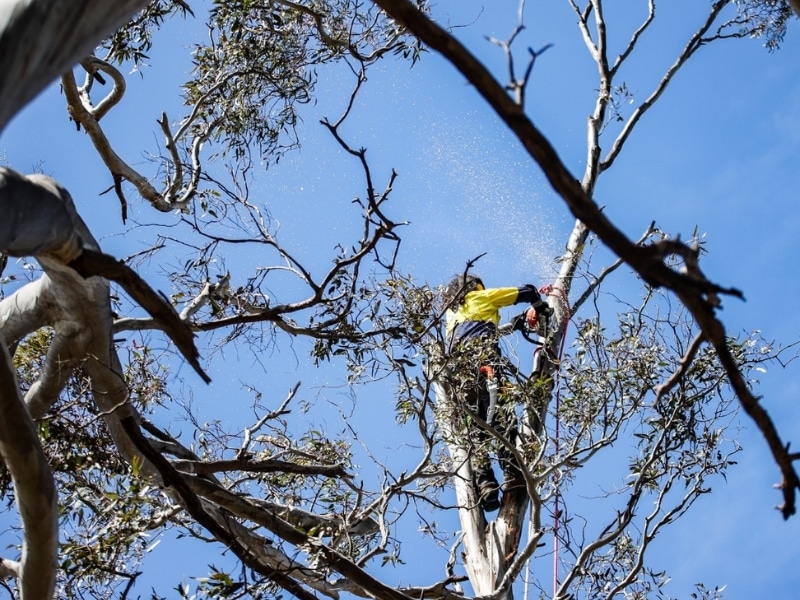
Trees do a lot for your home and surroundings — shade, fresh air, and that sense of calm you only get from greenery. But when their branches are left to grow unchecked, they can turn from assets into accidents waiting to happen. Whether it’s safety concerns, damaged fences or slow-growing trees, leaving branches to their own devices doesn’t do anyone any favours. With years of experience in lopping branches, The Yard understands how strategic cuts can protect both trees and the spaces around them. This article explores why lopping branches matters and how it helps your trees stay strong, tidy and safe long-term.
What problems arise if you avoid lopping branches?
Letting your trees grow wild might feel like the “natural” thing to do, but the longer you leave them, the bigger the issues can get. A neglected tree can start dropping limbs, blocking light or simply taking up space it shouldn’t. Here are the common problems that arise without regular lopping:
- Weak or dead branches tend to snap off in wind or storms, often without warning.
- Thick upper growth can block sunlight, slowing down the plants or grass underneath.
- Overgrown canopies get heavy and make trees more likely to fall, especially after rain.
- Branches creeping toward your roof or power lines often cause serious safety risks and repair costs.
If you’re aiming for safe, low-maintenance trees, routine branch lopping is one job you can’t skip.
How does neglecting lopping branches lead to property damage?
Unmanaged branches don’t just look messy — they can do actual harm to your house, your driveway, and everything in between. Most damage happens slowly, but it adds up fast. Here are the key risks to property from untrimmed branches:
- Loose limbs rub against roofs, cracking tiles and clogging gutters in no time.
- Roots and drooping branches can press against foundations or plumbing, especially near driveways or walls.
- Branches leaning on fences or sheds can warp structures over time, especially if wet.
- When leaves pile up in gutters, they cause water overflows — and potentially leak damage.
Before those problems creep in, it’s smart to explore reliable tree lopping solutions for long-term tree care. Preventing damage is always cheaper than fixing it.
Why does improper lopping of branches damage healthy trees?
Lopping sounds simple — cut a branch, tidy things up. But doing it wrong can be worse than not doing it at all. Trees are living things, and poor cuts make them more vulnerable. Here are the negative outcomes from incorrect branch lopping:
- Cutting away too much foliage shocks the tree, draining its energy and slowing growth.
- Deep or awkward cuts can let pests and diseases in, especially during wet seasons.
- If you leave a stub or tear bark, the tree struggles to heal, making decay more likely.
- Overdoing it can throw off the tree’s shape, making it unsteady or lopsided.
Even with the best intentions, the wrong technique can undo years of growth. That’s why timing and clean cuts matter.
What are the key benefits of lopping branches regularly?
You don’t need a landscaper’s eye to notice when a tree looks better after a trim. Lopping keeps things tidy — but it also helps trees grow stronger, straighter and with fewer hassles later on. Here are the top benefits you’ll notice with consistent lopping:
- Promotes new, stronger growth, especially after weather stress or long dry spells.
- Keeps trees symmetrical and tidy, which makes your yard look better instantly.
- Cuts made early can stop pests and fungal problems from taking hold.
- More space between branches means better airflow and sunlight, helping nearby plants too.
Trees grow back quickly when they’re healthy. And proper lopping gives them the best chance to keep thriving.
How can lopping branches be done safely and effectively?
You don’t need a degree in arboriculture to lop a branch — but doing it right takes more than a pair of secateurs. Safety, sharp tools, and knowing where to cut all make a difference. Here are the best practices for safe and effective lopping:
- Keep tools sharp and sanitised to avoid infecting the tree mid-cut.
- Look for dead, weak, or criss-crossing branches — those are usually the ones to go.
- Steer clear of extreme heat or drought — autumn or early spring is often ideal.
- If you’re climbing or using power tools, clear the area and wear proper gear.
A careful job protects both the tree and everyone nearby. It’s also part of the importance of maintaining healthy trees and plants for long-term urban greenery.
When and Why to Lop Tree Branches
| Reason for Lopping | Frequency | Outcome | Risk if Ignored |
| Remove dead or weak limbs | Every 6–12 months | Prevents falling limbs | Safety hazard, potential injury |
| Encourage healthy growth | Seasonal | Stronger structure and balance | Stunted or uneven growth |
| Avoid property damage | As needed | Protects roofs, gutters, power lines | Expensive repairs, legal liability |
| Manage tree size and shape | Biennial or Annual | Maintains visual appeal and access | Overcrowding, reduced accessibility |
Why should you hire professionals instead of doing it yourself?
Doing the odd trim might seem doable, but full lopping is more involved than most expect. Once you add height, tools, and safety risks, the job can quickly go from DIY to dangerous. Here are the reasons to choose professional arborists:
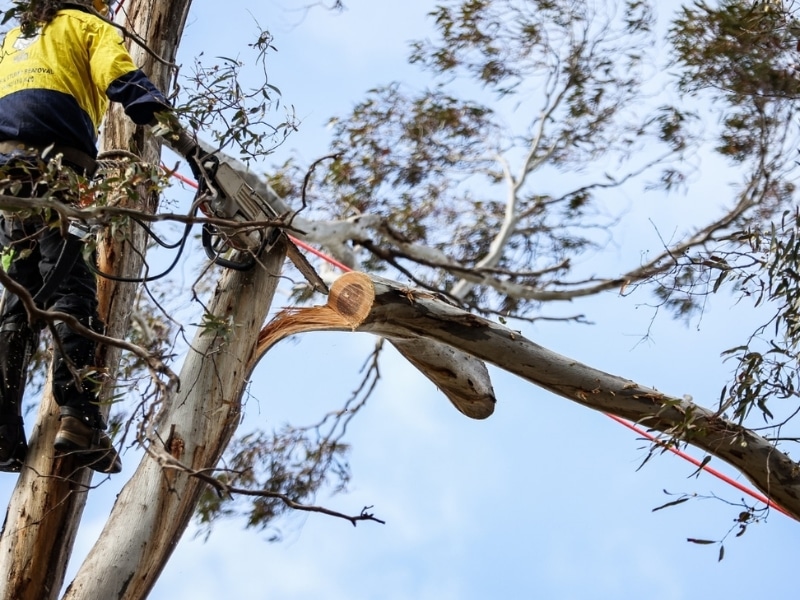
- They know how to prune without hurting the tree, especially mature or delicate ones.
- Licensed crews use climbing ropes, harnesses, and proper chainsaws — not ladders and luck.
- Arborists can spot early signs of rot or infestation, often before it’s visible.
- If something goes wrong, you’re covered by their insurance, not your own pocket.
It’s not just about cutting — it’s about doing it safely. Many start by noticing signs that show dead branches may indicate a tree’s decline and end up booking a pro for a full assessment.
Final thoughts
Lopping branches isn’t just about neat trees — it’s about long-term safety and health. Done regularly, it reduces storm risks, improves tree strength, and supports healthy growth. It also helps maintain structure, lowers future maintenance, and adds value to your property. Knowing how and when to lop makes all the difference in keeping trees safe and thriving.
For tailored advice and trustworthy service, you can see how The Yard delivers tailored solutions for healthy tree management.