

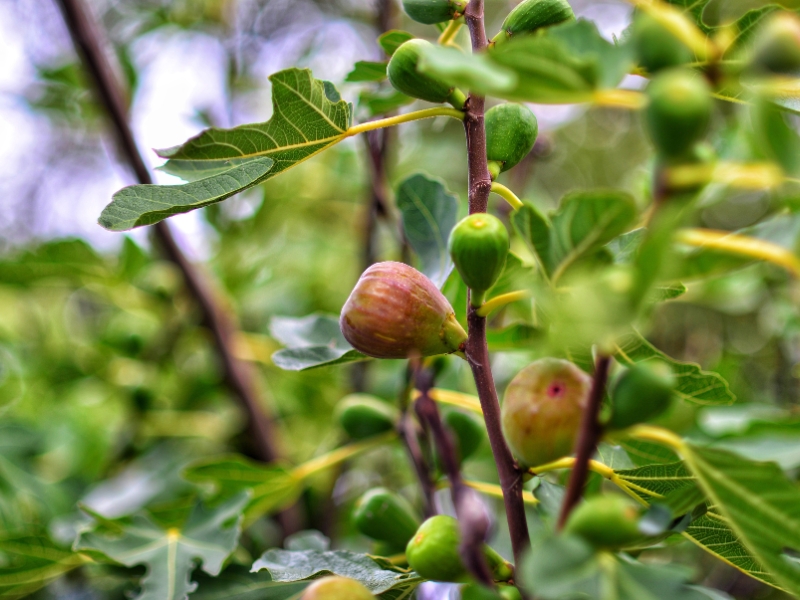
Pruning a fig tree safely involves timing, technique, and knowing how fig trees tick so your garden doesn’t go pear‑shaped. When done only half‑baked, you’ll end up with a tangled mess rather than prime fruiting wood. Many Aussie gardeners reckon fig trees can get by without much fuss—but they’ll often be left scratching their heads when the yield drops and branches collide. This article explores how to trim your fig tree with a good dose of common sense and a bit of backyard savvy.
Why is pruning a fig tree necessary for healthy growth?
Pruning fig trees is essential because it funnels the tree’s energy into its best branches, lets light in where it counts, and stops the canopy from becoming a wild jungle you’ll regret later. When you skip the pruning, the tree can go rogue—branches will tangle, new growth won’t hit its stride, and the whole lot becomes a haven for pests and disease. Here are the reasons pruning matters for a healthy fig tree:
- Improves air circulation so fungal attacks and aphid invasions don’t throw a spanner in the works.
- Encourages new growth by nipping off old, tired branches so the fig tree can perform like a champion.
- Shapes the structure so sunlight reaches the fruiting wood instead of giving up inside a dark canopy.
- Prepares the tree for seasonal changes, cutting away the damaged bits before they turn into headaches.
If you let the tree go unchecked, you might as well be growing a thorny hedge. Over time, you’ll struggle to see where the fruit is hiding, and harvesting will be more chore than a reward.
What goes wrong if you never prune your fig tree?
If you never prune your fig tree, you’re asking for overcrowded growth, diminished returns, and a higher risk of branch failure when storms roll in. Unpruned fig trees spread out in all directions like they’ve had one too many drinks, branches crossing and tangling with nobody giving a toss. That blocks sunlight, stifles fruit development, and generally gives the tree a rough deal. Here are the common problems caused by not pruning your fig tree:
- Lower fruit yield because the tree’s energy bolsters too many branches instead of feeding the figs you actually want.
- Weakened limbs that crack or collapse when a decent Perth wind kicks up.
- Increased pest activity because the dark inner canopy is basically a bug resort.
- Difficult maintenance as the tree becomes more jungle than orchard—you’ll be pulling out sick branches instead of enjoying fresh figs.
The expected results from fig tree pruning make it clear: a little effort early prevents a heap of graft later. Overlooking this step might feel like you’re saving time now, but the long‑term pain will hit harder than a stubbed toe.
Can improper techniques hurt your fig tree’s fruit production?
Using dodgy pruning techniques can absolutely throw your fig tree’s productivity off balance—some cuts will go rotten, some growth will fail, and the fruit count will tank. Pruning’s not just about snipping branches willy‑nilly; it has to be done smart, with clean cuts and proper timing. If you hack off the wrong limbs, you’re basically giving the tree a handicap. Here are the key issues improper pruning may cause:
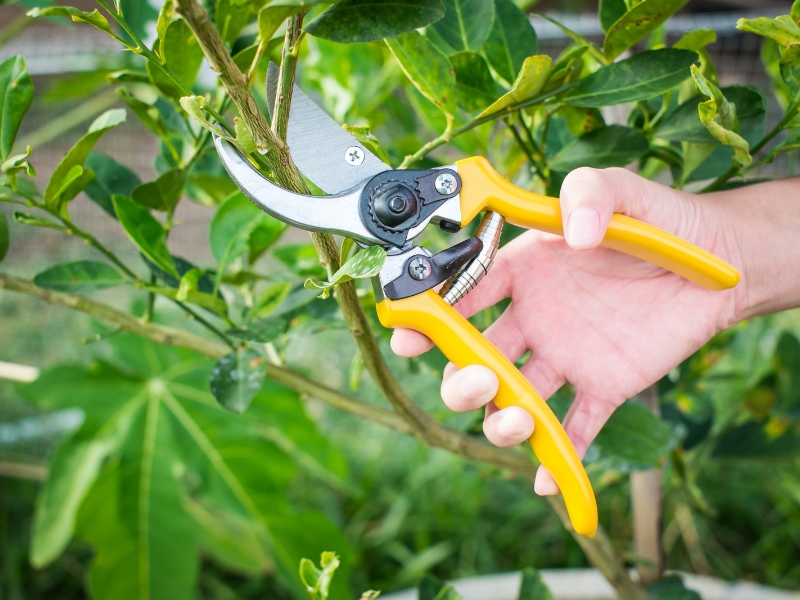
- Loss of fruiting branches if you accidentally remove the wood that should have carried figs instead of the stuff that should’ve gone.
- Exposure to pathogens occurs because rough cuts or cut‑backs in wet weather give fungi the green light.
- Unbalanced shape that sends the tree top‑heavy or leaning like a drunk mate after pub closing time.
- Delayed growth response because the tree is recovering rather than producing, which means less fruit this season and the next.
If you’re serious about productivity, best to learn the best methods for pruning fruit trees and stick to them. Don’t rush it. A solid prune now will save you from chucking in the towel later.
How to prune an olive tree safely and apply those steps to figs
Pruning an olive tree safely involves a few key moves: thinning, shaping, and removing crossing limbs—bits that apply straight across to fig trees and will set you up nicely. Olives and figs may fruit differently, but the structural logic is identical: you want strong scaffold branches, good airflow, and minimal branch collisions. If you nail that, you’ll keep the tree neat and the crop coming. Here are the pruning techniques that apply to both olive and fig trees:
- Cut back to outward‑facing buds so new growth goes the right way instead of inward into a tangle.
- Remove suckers and water shoots because they’re energetic but mostly pointless for fruit production.
- Thin out crossing branches to avoid rubbing wounds and letting disease sneak in.
- Make clean, angled cuts with sharp tools so the tree heals fast and plants don’t collapse into chaos.
| Step | Olive Tree | Fig Tree |
| When to prune | Late winter or early spring | Late winter or early spring |
| Remove water shoots | Yes | Yes |
| Focus on scaffold branches | Yes | Yes |
| Leave the centre open | Yes | Yes |
And if you want to cover your bases and do it by the book, check the official tree pruning competency requirements. By borrowing from olive tree practices, you’ll keep your fig tree trim, productive and less of a headache when harvest time rolls around.
How to prune fig trees for shape, light, and longevity
Pruning fig trees for shape, light, and longevity is about trimming smart so the tree grows strong, looks tidy and keeps giving year after year without needing constant babysitting. Shape affects how much sun hits the fruiting zones; light affects how many figs show up; and longevity is about building a tree that’ll hold its own for years. Nail these three and you’re laughing. Here are the steps to prune for shape, light, and longevity:
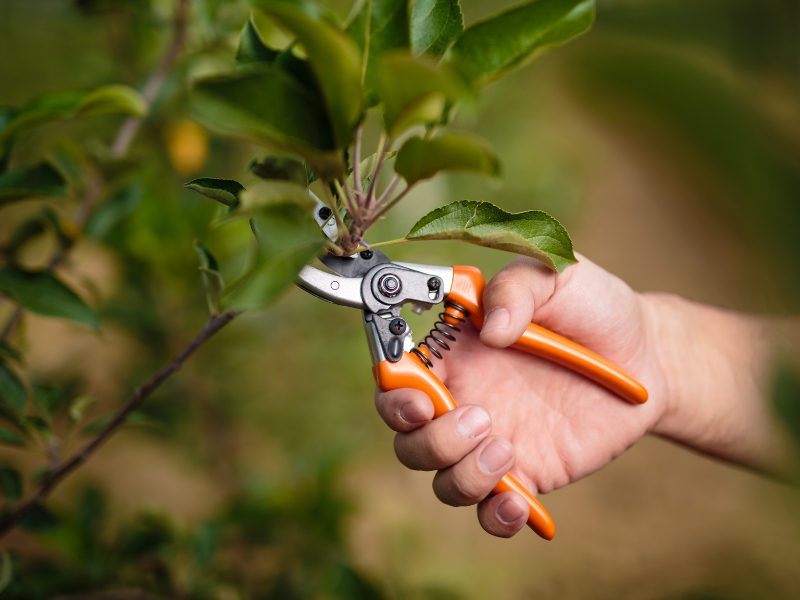
- Start with a central leader to form a balanced main trunk or open‑vase shape that’s easy to manage.
- Remove inward‑growing shoots so sunlight can penetrate the canopy instead of being blocked by a wall of leaves.
- Shorten long, leggy limbs so the tree concentrates on fruit rather than endless branch length.
- Trim low‑hanging branches that hog resources and crowd the trunk base, slowing the whole tree down.
After you finish pruning, don’t forget the soil and mulch. Follow the guide to proper mulching and aftercare to help your fig tree recover, stay hydrated and set up for the next season. Building up a robust shape now saves you a ton of hassle later. Your fig tree will repay you with strong growth and plentiful fruit rather than being a constant bit of yard work.
Final thoughts on pruning a fig tree for lasting health
Pruning a fig tree for lasting health means shaping it early, cutting wisely, and maintaining the balance of growth and structure every season. The long‑term rewards are undeniable — healthier growth, better fruit, and simpler maintenance. For tailored support or advice specific to your garden, get in touch with The Yard to speak with experienced tree care specialists.