

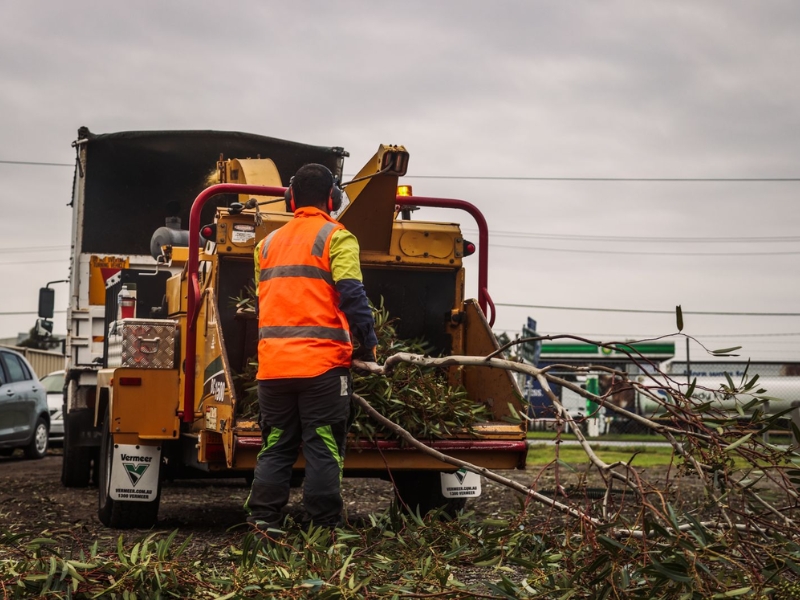
Eco-conscious planning can trim the cost for small tree removal while keeping your yard safe and tidy. Melbourne properties differ, so access, permits, and waste handling shift the numbers. That’s where low-impact methods and innovative sequencing come in. By reducing cartage, avoiding damage, and closing the loop on materials, you cut costs and hassle. Permits, safety, and clean-up often add surprise costs; when you manage them up front, you stay on budget. Better still, reuse what you already have, time the job for calm weather, and keep disposal local. You’ll protect the soil, your wallet, and the neighbourhood vibe, no dramas. This article shows practical steps that reduce price volatility without compromising safety or the environment.
Why does the cost for small tree removal vary across Melbourne properties?
Different blocks create different workloads, so quotes move accordingly. Access width, drop zones, services, and overlays change labour hours and equipment. Permits can also influence timing and admin. Here are the cost drivers:
- Site access: Narrow gates or stairs increase carrying time and limit the use of machinery.
- Drop zone complexity: Over sheds or glass adds rigging and careful lowering work.
- Services proximity: Power and NBN near the canopy, slow cuts and spotting.
- Council rules: Overlays or species controls add paperwork and lead time.
Local rules affect both risk and scheduling; you can learn about council-approved tree removal practices to avoid delays mid-job. On open sites, you’ll often see a lower upfront cost, but steep or terraced blocks carry a higher risk and a slower pace and method. In short, context decides the gear, and the gear chooses the invoice.
What factors increase the cost for small tree removal when safety is involved?
Safety planning protects people, pets, and property. It also shapes the quote. Hazards like wind, brittle limbs, and live services require slower cuts and more control lines. Here are the safety cost factors:
- Overhead hazards: Live lines or brittle branches mean shorter sections and extra rigging.
- Weather windows: Gusty days force smaller, slower dismantles and more ground crew.
- Insurance and controls: Barriers, signage, and spotters add time but reduce incidents.
- Surface protection: Ground mats prevent lawn ruts and post-job repair costs.
A robust method often avoids costly damage that would blow out the budget. Because crews work methodically, the job runs smoothly, and you dodge rework. It’s not the place to cut corners, mate. Solid planning beats shortcuts every time.
How can homeowners estimate the cost for small tree removal before booking a service?
A simple scope turns vague quotes into reliable numbers. Measure access, note hazards, and decide how you’ll handle waste. Photos from two angles help crews price accurately. Here are the estimator inputs:
| Planning item | Low-impact scenario | Higher-risk scenario | Why it matters |
| Access width | Drive-up, wide gate | Narrow path, stairs | Determines chipper/gear and carry time |
| Drop zone | Clear lawn | Over sheds, glass | Dictates rigging vs free-fall sections |
| Services | None nearby | Lines within 2 m | Requires spotters and insulated tools |
| Waste plan | Keep mulch | Full cart-away | Changes the tip fees and trucking |
| Stump depth | 150–200 mm | 250–300 mm | Deeper grind for paving readiness |
Here are the estimator checkpoints:
- Measurements: Gate width, slope length, and lowest eave height.
- Photos: Front verge and primary drop zone, morning light preferred.
- Waste choice: Keep chips for beds or request complete removal.
- Permit notes: Overlay, species rules, and neighbour access if required.
Once you’ve mapped those, your notes support a time-saving turnaround because crews arrive prepped. To address timing, species, and site-readiness nuances across suburban blocks, understanding the things to consider before tree removal is key as you shape the final scope. With that, quotes become apples-to-apples, and there’s less wriggle room for bill shock.
Which eco-friendly tree removal methods can reduce overall expenses?

Eco methods lower waste and labour. On-site chipping, mulch reuse, and lighter machinery keep transport down and soil health up. Timing the work for calm weather also improves control. Here are the eco methods:
- On-site chipping: Convert limbs to mulch immediately, skipping cartage.
- Low-impact rigging: Hand sections reduce noise and protect surfaces.
- Sequenced pruning: Remove weight first, then dismantle the stem safely.
- Weather-aware scheduling: Early starts dodge afternoon gusts and speed the job.
When disposal routes are short and materials stay on site, costs ease. Where the brief calls for full-service removal that still minimises footprint, consider affordable eco-friendly tree removal services as part of your planning notes, so inclusions, waste handling, and safety sit on the same page. That keeps the day efficient and the budget tidy—too right.
Can reusing mulch or wood chips further lower the cost for small tree removal?
Absolutely. Mulch reuse cuts trucking and tip fees while boosting soil moisture and weed suppression. Over the summer, beds hold water better, and you save on replacements. Here are the mulch reuse tips:
- Bed coverage: 50–75 mm on gardens for water retention and soil life.
- Path coverage: 75–100 mm for stability and weed control on walkways.
- Storage: Use a tarp to keep a reserve pile dry for patching.
- Trunk clearance: Keep mulch 100–150 mm off stems to protect collars.
That circular approach yields reduced green waste fees and healthier soil biology. You’ll see fewer bare patches and steadier plant growth. It’s a simple tactic that saves dollars and effort, no worries.
How does stump grinding contribute to long-term eco savings for your yard?
Stump grinding removes trip hazards, discourages regrowth, and makes space for new planting or paving. Depth depends on future use and species. Here are the stump grinding essentials:
- Depth planning: 150–200 mm for beds; 250–300 mm for paving bases.
- Chip handling: Blend grindings with green waste to balance nitrogen.
- Service checks: Flag irrigation and utilities before grinding.
- Species factor: Wider root flares on some gums need more passes.
If the project timeline is tight or paving is on the cards, find out when stump grinding is most effective to lock in the correct depth and sequence. Skimping here becomes a hidden long-term expense when slabs lift or regrowth returns. A clean grind sets you up for whatever comes next—too easy.
Final thoughts
A clear scope, calm-weather timing, and an eco-first waste plan drive predictable results without fuss. Keep chips on site when possible, choose low-impact rigging for tight spots, and set stump depth to suit future works. If end-to-end sustainability and transparent inclusions matter on your block, discover how The Yard keeps removals eco-friendly. Hence, your plan aligns with safe methods, local rules, and a finish that looks good.