

Prune a tree at the right time and it rewards you with healthy growth and a good shape; prune at the wrong time and you can stress it or lose a season of flowers or fruit. So when is the best time to prune in Melbourne’s climate? The Yard is a Melbourne tree services team with more than 20 years of experience, and this season-by-season guide sets out when to prune what, from structural winter work to light summer shaping and fruit-tree timing. Keep in mind this is general guidance for Melbourne conditions, since the ideal timing varies a little by species, but it will help you plan your pruning through the year.
| In short: Most Melbourne trees are best pruned in late winter while dormant, which suits structural pruning and deciduous trees. Light summer pruning is good for shaping and size control, and fruit trees are timed to their type. Storm-damaged or dangerous limbs should be dealt with at any time, for safety. |
Winter (dormant) pruning
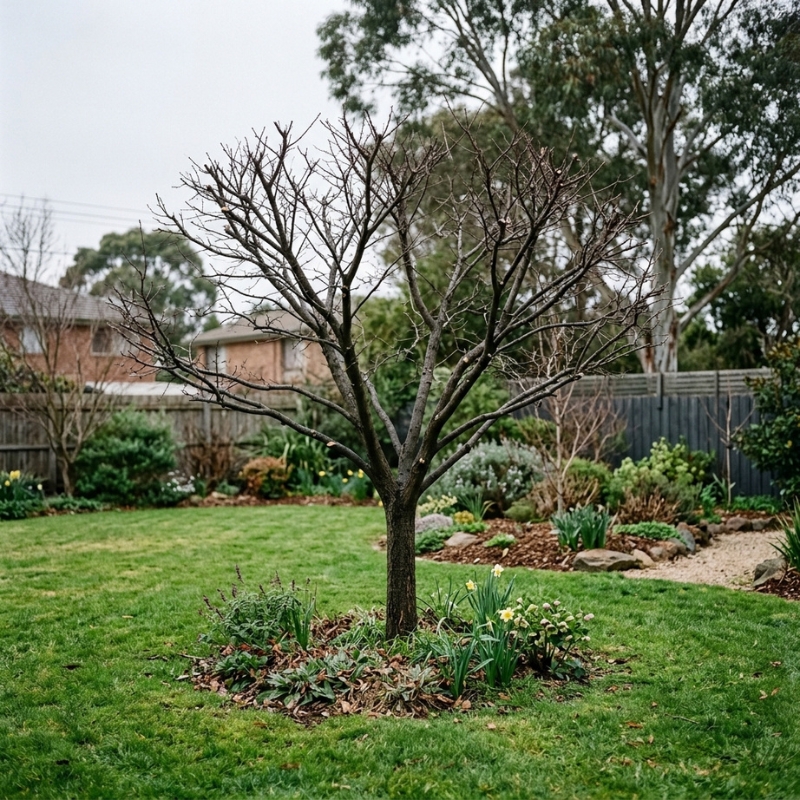
Late winter, while trees are dormant, is the prime time for most pruning, and it is when the bulk of structural work is done. With deciduous trees bare of leaves, you can see the framework of the tree clearly, which makes it far easier to prune for good structure, remove crossing or crowded branches, and shape the canopy. Pruning while the tree is dormant also means it puts its energy into strong new growth when spring arrives, and there is less stress on the tree and lower disease pressure than in the warmer, wetter months. This is the ideal window for most deciduous trees and for any significant structural pruning. If your tree needs shaping or thinning, planning it for late winter generally gives the healthiest result and the strongest spring flush.
Summer pruning
Summer pruning has its own role, and it is more about control and shaping than major structural work. Pruning in the warmer months tends to slow growth rather than stimulate it, which makes summer a good time to keep a tree’s size in check, tidy its shape, and remove unwanted growth like water shoots. It is also useful for lifting the canopy or trimming back growth that has got away over spring. Because the tree is in leaf, you can see its shape in full and prune for appearance. Summer pruning is generally lighter than winter pruning, and it suits shaping and size management rather than heavy cutting. For certain fruit trees, summer pruning also plays a specific role, which is worth timing to the type.
Spring and autumn
The shoulder seasons call for a lighter touch. Spring is a time of vigorous growth, so heavy pruning then can rob the tree of energy just as it is flushing, and it is generally better to hold off major work, though removing dead or damaged wood is always fine. Autumn is best approached with caution too, as pruning heading into the cooler, wetter months can leave fresh cuts more exposed to disease, and new growth prompted late in the season may not harden off before winter. In both spring and autumn, the sensible approach is to limit yourself to minor tidying, deadwood removal and anything needed for safety, and to save the significant structural pruning for late winter. When in doubt in these seasons, less is more.
Fruit trees: timing by type
Fruit trees are a special case, because pruning them at the right time protects both the tree and your crop. In general terms, deciduous fruit trees such as stone fruit (peaches, plums, apricots) and pome fruit (apples, pears) are often pruned in winter while dormant to set their structure, though some stone fruit are pruned after fruiting to reduce disease risk, so timing depends on the type. Citrus is different again and is generally pruned lightly after the main risk of frost has passed, rather than heavily in mid-winter. Because the ideal timing genuinely varies by fruit type, it is worth getting it right for your specific trees. Our guide on how often to prune citrus trees goes into more detail on keeping citrus healthy and productive.
When NOT to prune yourself
Timing aside, some pruning is simply not a DIY job, and knowing where to draw the line keeps you safe. Any work high in a tree, on large limbs, or anywhere near powerlines is genuinely dangerous and should be left to professionals with the right equipment and training, since falls and contact with powerlines cause serious injuries every year. Big structural cuts on a mature tree also need to be done correctly to avoid harming the tree or creating hazards down the track. For anything beyond light, ground-level shaping of a small tree, it is safer and better for the tree to bring in a professional. The Yard offers professional tree pruning in Melbourne for larger, higher or near-powerline work, and where a tree has outgrown its spot or needs heavier reduction, our tree lopping can bring it back to a safe, manageable size.
Frequently Asked Questions
What is the best month to prune trees in Melbourne?
For most trees, late winter is the ideal time, roughly around July and August in Melbourne, while trees are dormant and their structure is clear. This suits deciduous trees and any structural pruning. Some fruit trees and citrus are timed differently, and storm-damaged or dangerous limbs should be dealt with at any time.
Can you prune trees in summer in Melbourne?
Yes. Summer is a good time for lighter pruning aimed at shaping, size control and removing unwanted growth, since pruning in the warmer months tends to slow growth rather than stimulate it. It is generally lighter than winter structural pruning. Some fruit trees also benefit from specific summer pruning timed to their type.
When should I prune fruit trees?
It depends on the type. Deciduous fruit trees like apples, pears, peaches and plums are often pruned in winter while dormant, though some stone fruit are pruned after fruiting to limit disease. Citrus is usually pruned lightly after the frost risk passes. Because timing varies by fruit type, it is worth confirming for your specific trees.
Is it bad to prune in autumn?
It is best kept light. Pruning heavily in autumn, heading into the cooler, wetter months, can leave fresh cuts more exposed to disease and prompt new growth that may not harden off before winter. Removing dead or damaged wood is fine any time, but save significant structural pruning for late winter rather than autumn.
Time your pruning for healthy trees
Most Melbourne trees are best pruned in late winter for structure, with lighter summer pruning for shaping, fruit trees timed to their type, and only minor tidying in spring and autumn. Getting the timing right keeps your trees healthy and looking their best. For anything large, high or near powerlines, it is safer to bring in a professional. The Yard offers professional tree pruning in Melbourne to keep your trees in great shape all year round.
| Got trees that need pruning? The Yard can handle the big, high and tricky ones. Call 0450 410 800 or book professional pruning. |