

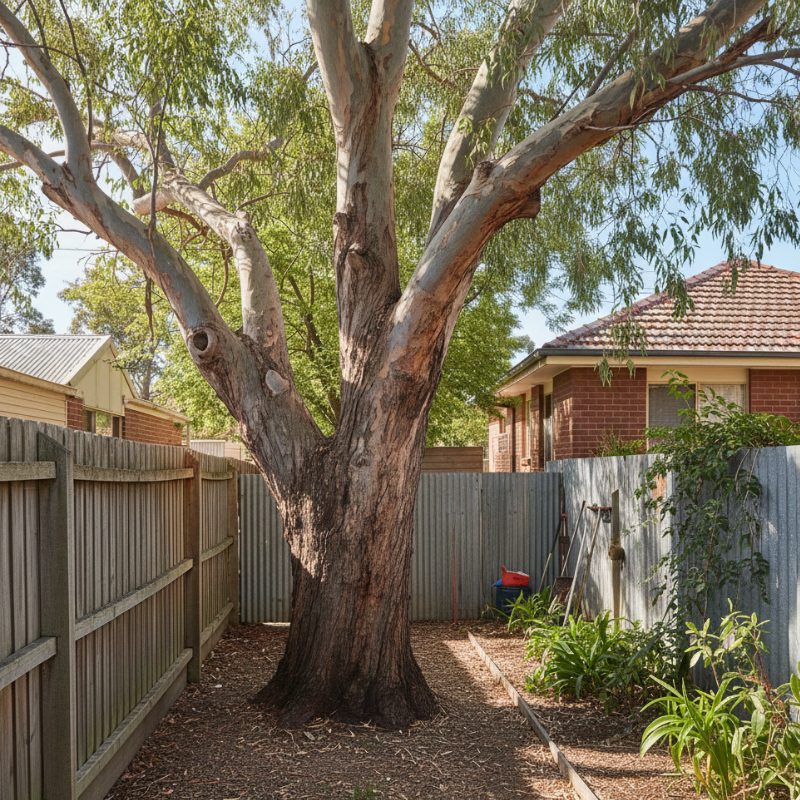
If you’ve ever lined up a couple of quotes for tree removal cost in Melbourne, you’ve probably seen this: one price looks “too good to be true”, another feels eye-watering, and a third sits somewhere in the middle with a lot of fine print.
That spread isn’t always someone “ripping you off”. A tree job is one of those rare trades where the price can swing massively based on factors you can’t easily see from the street—what’s happening inside the canopy, how the tree is positioned above roofs and fences, how safe it is to climb, and how much heavy gear is required to do the work properly.
This guide breaks down why prices vary, what a solid quote should include, and how to compare quotes in a way that actually protects your home, your garden, and your wallet.
The big idea: you’re paying for risk control, access, and cleanup
Tree work isn’t priced like mowing a lawn. It’s closer to a small, temporary worksite that has to be set up safely, executed in a controlled way, and then cleaned down properly.
In Melbourne, the biggest cost drivers usually come down to:
• How hard is it to access the tree and remove debris
• How risky the job is (for people, property, and nearby infrastructure)
• How much equipment and crew are required to control the tree as it’s worked on
• Whether extra steps are needed (permits, traffic/pedestrian management, after-hours response)
If you want a quick sanity check on what you’re being quoted for, a good first step is to speak with a qualified arborist in Melbourne who can explain the “why” behind the scope—not just throw out a number.
What Melbourne homes do to tree pricing
Melbourne properties have a few common features that can increase complexity (and therefore cost):
• Narrow side access, especially in older suburbs and inner-north/inner-east blocks
• Fences, sheds, solar panels, pergolas, and garden beds directly under the canopy
• Trees close to neighbouring fences and boundary lines
• Overhead service lines (not just the big ones—also private lines to homes)
• Limited space for machinery, chippers, and safe drop zones
Even when two trees look similar in height, one might be a straightforward job with a clean landing zone, while the other needs piece-by-piece rigging over a roof with careful lowering so nothing swings into gutters, tiles, or cars.
Q&A: “Why does ‘tight access’ change the quote so much?”
When access is tight, the crew often has to:
• Carry gear and debris longer distances by hand
• Work in smaller sections and take more time
• Use specialised lowering/rigging to avoid damage
• Arrange equipment differently (or use smaller, slower machinery)
In practical terms, tight access turns a “mechanised” job into a “labour-heavy” one, and labour is a major part of the cost.
The hidden factor: what’s happening inside the tree
A tree can look fine from a distance and still be risky to work on. Internal decay, deadwood, cracks, or weak branch unions can change the way a job must be approached.
That’s why some quotes include (or recommend) a proper assessment step first. In many cases, paying for a tree risk assessment can save you money and stress because it reduces guesswork and prevents scope blowouts mid-job.
Common issues that change pricing:
• Dead or dying wood that breaks unpredictably
• Hollow sections or fungal decay near major unions
• Split trunks or co-dominant stems with included bark
• Previously “topped” trees with unstable regrowth
• Storm-damaged hangers (branches under tension)
Crew size and time on site: why “two people” isn’t always enough
Some quotes look cheap because the crew size is small. That’s not automatically bad—but if the scope clearly needs more hands for safe control, a small crew can mean:
• Slower progress (more hours overall)
• Higher fatigue risk
• Less capacity to manage traffic/pedestrians, manage rigging lines, and keep the site safe at the same time
A well-scoped quote should make it clear how the work will be executed, not just “do job, remove debris”.
Equipment is expensive because it prevents expensive mistakes
A higher quote often reflects the use of equipment that reduces risk and prevents property damage.
Examples of equipment and why it matters:
• Rigging and lowering gear: controls sections so they don’t free-fall into roofs or fences
• Chippers: reduces debris volume so disposal is faster and safer
• Elevated work platforms (EWPs): safer access when climbing is hazardous or the structure is compromised
• Cranes (in rare cases): used when controlled lifting is the safest option for large sections
• Stump grinders: a separate process with its own safety controls and clean-up needs
The cheapest option sometimes assumes the tree can be dropped into a clear zone. If there’s no clear zone, that assumption can be where problems start.
Waste removal and disposal: the part everyone forgets to compare
One quote might include full green waste removal and clean-up. Another might include only “stacked neatly on site”. Another might include removal but exclude “log wood” or exclude the final rake-and-blow.
When you’re comparing, ask exactly what happens to:
• Branches and leaves
• Wood rounds/logs
• Sawdust/chip
• Any disturbed garden bed areas
• Any minor repair clean-up (raking, blowing paths, clearing gutters if relevant)
In Melbourne, disposal and tip fees can be a meaningful line item, especially for larger jobs or where the volume is high.
Q&A: “Is it worth keeping the wood or mulch to reduce the price?”
It can be—if you genuinely want it and have space. But be realistic:
• Logs are heavy and take up space to season
• Mulch piles can be large and can smother lawns if dumped casually
• You may still want some material removed to keep the site tidy
If you want to keep material, ask for the quote to specify exactly what will be left and where it will be placed.
Permits, protected trees, and planning overlays: when paperwork affects budget
Some jobs take longer because there are legal or planning considerations, especially for protected or significant vegetation.
The key point: rules vary by council and by property. If you’re in the City of Melbourne municipality (or dealing with public trees), you should familiarise yourself with the council’s requirements and processes. The City of Melbourne explains how it manages and protects public trees, including assessment processes around tree removal.
Even outside the CBD municipality, many councils have local laws, overlays, or permit requirements. It’s not a “price add-on” for the sake of it—paperwork and compliance can affect scheduling, scope, and what’s permitted.
Powerlines and services: why “near wires” is a major price driver
If the work zone is close to overhead services, pricing often increases due to:
• Slower, more controlled cutting and lowering
• Additional safety controls and spotters
• In some cases, coordination with the relevant authorities (depending on the context)
This is one area where you should be cautious of a bargain quote that doesn’t mention the overhead environment at all.
Timing and urgency: the “storm tax” is real
Melbourne weather can turn quickly—especially in storm season—leading to sudden demand for urgent work. After-hours call-outs and emergency response can cost more because:
• Crews are pulled from scheduled jobs
• Work happens in less-than-ideal conditions
• Extra hazard control is required (unstable limbs, wet surfaces, compromised structure)
If you’re dealing with storm damage, it can help to prioritise immediate safety (make the area safe, reduce immediate hazards) and schedule non-urgent tidy-up work later, when possible.
The anatomy of a “good” quote (what it should clearly state)
A quote that’s easy to compare will usually include:
• The exact scope (what is being done, and what isn’t)
• The assumptions (access route, machinery placement, safe work area)
• Waste removal details (what’s removed vs left on site)
• Whether stump-related work is included or excluded
• How site clean-up will be handled
• Any permit/approval assumptions (if relevant)
• Timing expectations (day/time window or estimated duration)
If you receive a one-line quote with no details, it’s hard to tell whether you’re comparing apples to apples.
How to compare two quotes without overpaying
Here’s a practical checklist you can use on every quote.
1) Compare the scope first, price second
Read the scope line by line and highlight differences:
• Is one quote doing more canopy reduction?
• Is one quote including waste removal and the other isn’t?
• Is one quote including specialised access equipment?
2) Watch for “exclusions” that become expensive later
Common exclusions that can lead to surprise costs:
• “Debris stacked on site” (you may pay later to remove it)
• “Stump not included” (not always needed, but you should decide up front)
• “Access assumed” (what happens if machinery can’t get in?)
• “Subject to site inspection” (fair, but ask what might change)
3) Ask what could change the price on the day
A professional operator should be able to tell you the likely variables, such as:
• Discovering internal decay that changes the approach
• Unseen obstacles behind fences or in neighbouring yards
• Changes in access (locked gates, cars in driveway, etc.)
4) Don’t ignore professionalism signals
You’re effectively hiring someone to run a temporary high-risk worksite on your property. Look for:
• Clear communication
• A detailed written scope
• Realistic timelines
• Willingness to explain risk controls
If you want a baseline to compare against, use a provider that offers professional tree services in Melbourne and can walk you through why the scope is priced the way it is.
Red flags that often show up in “cheap” quotes
A low price isn’t automatically wrong—but these patterns should make you pause:
• No mention of waste removal or clean-up
• No detail beyond “cut/prune tree”
• Obvious hazards (tight access, roof nearby, overhead lines) not acknowledged
• Pressure to “decide today”
• Dismissive attitude toward neighbour impacts or boundary complexity
In tree work, a quote that ignores risk often becomes expensive in other ways: property damage, incomplete cleanup, or needing a second crew to fix what was left behind.
What you can do to keep the quote fair (without compromising safety)
If you’re cost-conscious (fair enough), you can still reduce time on site in sensible ways:
• Clear access to the work zone (unlock gates, move cars, clear the side path)
• Point out known obstacles (irrigation lines, fragile garden features)
• Decide in advance what you want done with wood and mulch
• Book non-urgent work outside peak emergency periods if possible
• Combine small related tasks in one visit (if it doesn’t turn into an all-day scope creep)
The goal isn’t to make the job “cheaper at any cost”. It’s to make it efficient without increasing risk.
FAQ
Why do quotes for the same tree vary so much?
Most variation comes from differences in scope and assumptions: how the work will be performed, how debris will be handled, what equipment is included, and how risks (roof proximity, access, decay, services) are controlled.
What should I ask before accepting a quote?
Ask:
• What exactly is included in scope and clean-up?
What’s being removed from the site vs left behind?
What assumptions are being made about access and drop zones?
What could change the price on the day?
Is the cheapest quote usually a bad idea?
Not always—but it can be risky if the quote is vague or ignores obvious constraints. A cheaper quote may simply be missing items you’ll pay for later (waste removal, access equipment, proper site cleanup), or it may involve a higher-risk approach.
Do I need council approval for tree work?
It depends on your council, overlays, and the specific tree and site. If you’re in the City of Melbourne municipality or dealing with public trees, start with the council’s guidance on tree protection. For other suburbs, check your local council rules before proceeding.
What makes a job “high risk” and more expensive?
Common high-risk factors include:
• Dead/dying trees or internal decay
• Storm damage and hanging limbs
• Trees over roofs, driveways, or neighbour structures
• Tight access with limited safe drop zones
• Work near overhead services
How can I avoid surprise add-ons?
Get a quote with a detailed scope, confirm waste removal, clarify exclusions, and ask what conditions would trigger a change in price.