

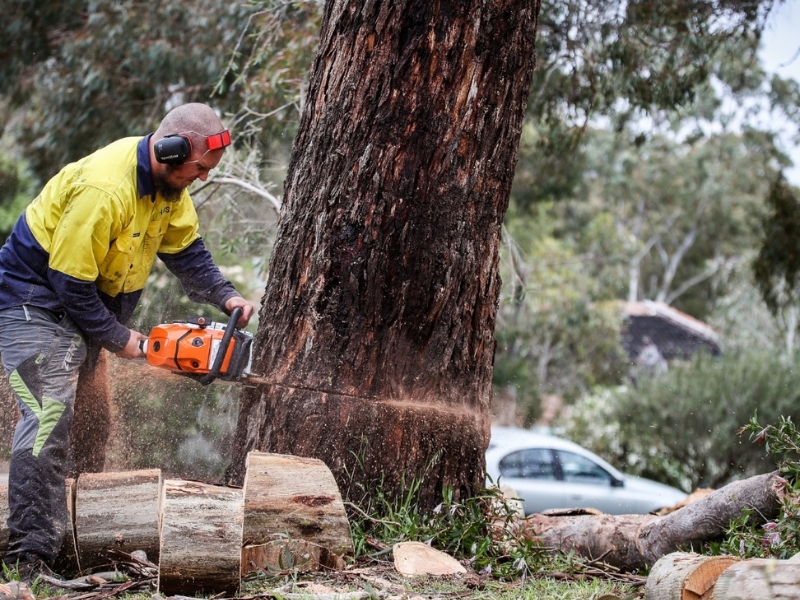
Removing trees from your block isn’t just about clearing space—it demands thoughtful planning, safety checks, and legal compliance. Trees can be assets one minute and liabilities the next, depending on their health, placement, or surrounding conditions. If something goes wrong, the fallout could cost more than you expect. Removing trees from property is often about more than aesthetics: it’s protection, responsibility and foresight. This article explores the risks, rules, prep steps and help you can get before diving in.
Why do homeowners often consider removing trees from their property?
Homeowners often decide to remove trees because those trees may start working against their homes, gardens or budgets. Many trees begin as welcome shade or focal points, but over time they may outgrow their spot or reveal hidden threats. Here are the compelling reasons property owners opt for removal:
- A tree’s branches may brush against roofs or walls, causing abrasion or damage over time
- Trees dense in foliage can block daylight, choking out plants or grass beneath
- If a tree is dying or infected, it can spread pests or disease to nearby healthy trees
- Branches interfering with power lines or walkways may expose you to liability
- A tree may simply restrict future building, landscaping or expansion options
When you see why people remove trees, it helps you judge whether your situation demands action. You’ll avoid hasty choices by seeing the long view.
How can overgrown roots or branches cause property hazards?
Roots and branches don’t always announce their danger. But once they encroach on your home’s footprint or beneath ground, damage may already be underway. Spotting how nature pushes boundaries helps you stay ahead of structural surprises. Here are the ways overgrowth can turn into damage:
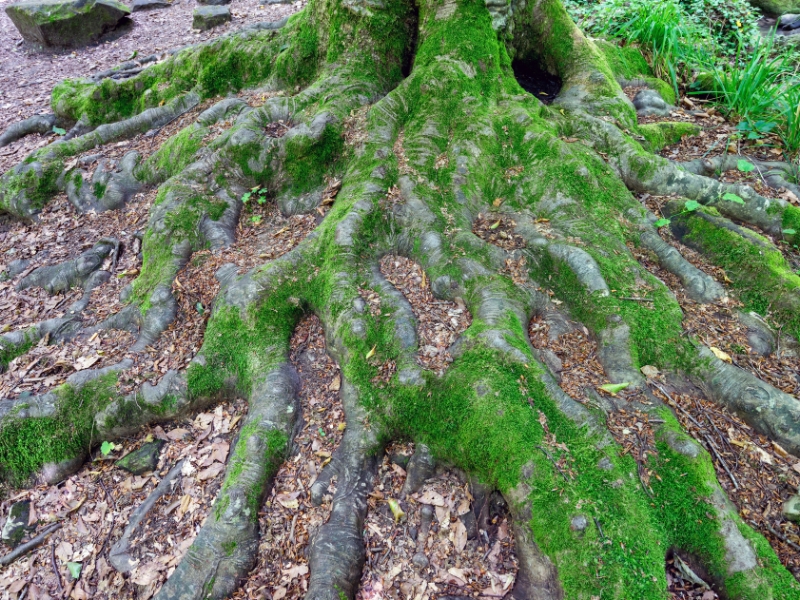
- Roots may lift concrete slabs, crack paving or invade sewer or water lines
- Branches dangling over a roof can scrape roof tiles or deposit leaf litter into gutters
- Large limbs near electrical cables increase fire or shock risk in storms
- Falling twigs or heavy debris may break windows, dent cars or damage fences
- Roots might infiltrate subsurface drainage or tanks, leading to clogging or cracking
Ignoring overgrowth is a gamble. It’s better to act early before small faults balloon into big bills. If the survival of your house matters, this is no trivial detail. Learn to recognise common warning signs that a tree might be hazardous.
Could delaying tree removal increase the risk of structural damage?
Leaving a compromised tree to linger can escalate risk in a quiet but dangerous way. What starts as a few cracks or a lean may evolve into structural failure or costly fixes. Time rarely helps in these cases. Here are the dangers when you delay the removal:
- Diseased or unstable trees may fall unexpectedly in the wind, smashing walls, roofs or fences
- Root systems expand gradually and put increasing pressure on foundations and slabs
- Decay creeps along limbs or trunks, weakening support where you least expect it
- Existing cracks in masonry may widen, undermining the strength of walls or retaining structures
- Insurers might refuse claims if they see that the damage was slow and preventable, rather than sudden
Delaying action often amplifies consequences. When structural damage begins quietly, recovery becomes expensive. It’s far better to catch hazards before they escalate.
What are the legal rules for tree removal on private land?
You can’t assume it’s fine to remove any tree on your land—many local councils enforce rules, particularly in built-up areas or heritage zones. Knowing what your council allows or restricts will prevent fines or legal headaches. Here are the typical rules under guidelines for pruning and removing trees in Sydney:
- You may need a permit to remove trees that exceed certain height or girth thresholds
- Some species may be protected or listed; removing them without approval can incur penalties
- Damage to neighbouring properties, utilities or public land during removal is usually regulated
- Removing trees on boundary edges or street‑front properties may require notice or neighbour consent
- Pruning or cutting rules may require you to adhere to defined standards or codes
You should review local council documentation or reach out for clarity. Failing to comply can lead to enforcement action and regret.
What should you consider before removing trees from your property?
Before plunging into removal, it pays to pause and get your ducks in a row. Careful prep helps avoid unforeseen costs, delays or damage. Thinking through each detail will save time and frustration later. Here are the key things to weigh:
- Check the tree’s condition: disease, leaning, root heave or internal rot
- Confirm what your council allows (permits, restrictions) before any felling begins
- Work out safe access, clearance zones, debris routes and cleanup plans
- Estimate total cost: cutting, stump removal, disposal, equipment hire and labour
- Understand how the empty spot may affect drainage, soil erosion or neighbouring roots
- Look into ways to smooth your lawn after a tree is gone to restore your landscape
By doing solid homework ahead of time, you’ll avoid surprises and make informed decisions. A well‑planned removal process is far safer, quicker and cleaner.
How can hiring professionals make removing trees from property safer and faster?
Bringing in experienced arborists usually gives the best balance of safety, speed and peace of mind. They bring training, gear and logistical insight you’re unlikely to match as a homeowner. That’s where the real value lies. Here are the advantages when pros handle the removal:
- They’ve got specialist gear, rigging systems and safety training to prevent collateral damage
- They hold insurance and liability coverage to protect you in case something goes wrong
- They understand legal requirements, councils and codes, which helps you stay compliant
- Their teams work methodically, reducing disruption to your yard, structures or neighbours
- They can suggest aftercare, mulching or planting to rehabilitate your space
When projects are tricky or risky, professionals offer trusted emergency solutions for urgent tree removal situations without you second‑guessing safety or rules.
| Feature | DIY attempt | Professional team |
| Equipment | Basic saws, ladders | Cranes, chippers, and harness systems |
| Safety | High personal risk | Protocols, PPE, and insurance cover |
| Speed | Slower, more stops | Efficient, staged workflow |
| Compliance | Risk of fines or breaches | In‑depth knowledge of rules |
Final thoughts on safe and responsible tree removal
Removing a tree often becomes necessary—but it demands care, respect and planning. Ignoring hazards or regulations can backfire badly. When you’re unsure, rely on experts. You can learn how The Yard provides professional solutions for urgent tree issues to guide your project from start to finish, keeping it safe, lawful and efficient.