

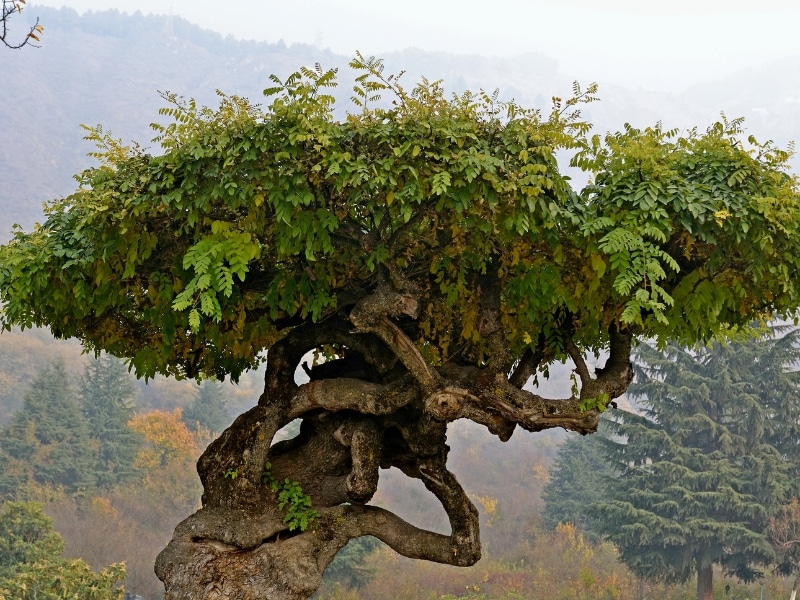
Eco‑friendly umbrella tree removal methods involve professional planning, root control, and sustainable waste handling that avoid harming local ecosystems. Ever thought about the mess those sprawling umbrella tree roots create? Or worried about the damage they may be doing under your lawn without you even realising? When considering umbrella tree removal, those roots are the hidden culprits behind cracked pathways, blocked pipes, and even disturbances to native flora. This article presents eco-friendly strategies for removing umbrella trees while preserving your garden, promoting soil health, and reducing future maintenance.
What risks make Umbrella Tree removal necessary for homeowners?
Umbrella trees can cause structural damage, crowd out native plants, and create hazards that often require full removal. When umbrella trees (Schefflera actinophylla) get large, certain risk factors emerge — ignoring these can lead to expensive damage and environmental issues.
- Root under‑spread damage occurs when invasive tree roots dig under driveways, walls, and plumbing, causing cracks, blockages, and undermined foundations.
- Competition for light and water, as dense canopies of the umbrella tree block sunlight from lawns or garden beds, smothering smaller plants,
- Safety hazard from decay, where rotting limbs or trunks fall during storms or drought conditions,
- Invasive spread into bushland, as the umbrella tree is known to be an invasive species, is a common phenomenon, as it takes over areas and displaces natives — a characteristic of many garden invasive species, especially in tropical regions.
These risks escalate if you’re removing a tree near buildings or pipes. Planning well in advance is crucial.
Why does professional Umbrella Tree removal protect surrounding landscapes?
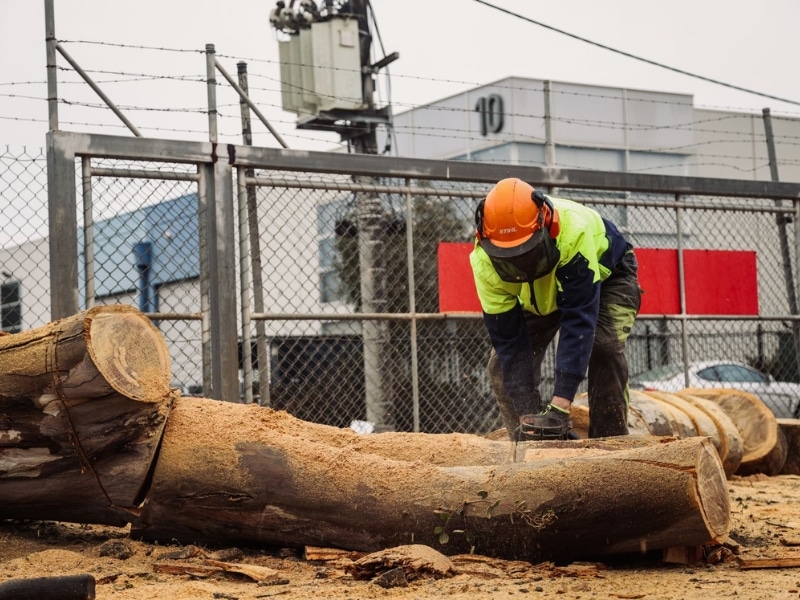
Professional tree removal services use precise techniques that safeguard nearby plants, soil, and structures during the removal process. Hiring a qualified arborist or removal service helps limit damage to surrounding elements when dealing with aggressive umbrella tree roots and sprawling umbrella tree spread.
- Experts use strategic cutting and sectional felling to reduce soil disruption around shrubs and ornamentals.
- Risk assessments are done for things like umbrella tree height, canopy weight, and local soil conditions.
- Professionals help with safe disposal — turning trees into mulch, reducing waste and emissions.
- Many removal teams are familiar with native plant protection laws, which are crucial when addressing invasive plants, such as the umbrella tree.
This protects both your landscape and the surrounding environment. Suppose you’re managing mature trees or dealing with complex root systems. In that case, it’s worth understanding efficient approaches to professional tree removal to ensure minimal disruption and long-term garden health.
How does stump grinding support sustainable Umbrella Tree removal?
Stump grinding supports eco‑friendly removal by eliminating regrowth risks while preserving soil health and reducing waste. After umbrella tree removal, the leftover stump can still pose a problem. If left untreated, it may recur or spread further.
- Grinding removes core umbrella tree roots, reducing regrowth without the need for chemicals.
- Ground wood becomes mulch, feeding soil instead of filling a landfill.
- Less invasive than full excavation — good for retaining lawns or landscaped paths.
- Safer than chemical removal methods, especially near veggie gardens or water tanks.
Table: Comparison of stump removal methods
| Method | Environmental Impact | Cost | Time to Replant Area |
| Stump grinding | low soil disturbance, reuses mulch, minimal regrowth risk | Moderate | Quick — once levelled |
| Full root removal | Significant disruption to soil layers and nearby plant roots | High | Slower recovery |
| Chemicals | Risk of soil contamination and pest attraction | Low to medium | Requires a delay before replanting |
Proper grinding helps ensure umbrella tree control without damaging the surrounding area.
Can mulching after Tree removal improve soil health?
Mulching after tree removal enhances soil condition by restoring nutrients, boosting microbes, and controlling moisture and erosion. Many forget that once a dwarf umbrella tree or standard umbrella tree is gone, the soil is left bare and vulnerable.
- Woodchip mulch replaces leaf litter and helps maintain the ground temperature.
- Decomposing mulch feeds beneficial microbes and improves clay or sandy soils.
- Helps suppress weeds and umbrella plant pests, stopping regrowth or invasives.
- Supports recovery if planning to plant natives or start repotting umbrella plant seedlings.
Mulching reduces maintenance while enriching your yard post‑removal. For broader applications — especially when managing tree waste or composting on a larger scale — it’s worth exploring sustainable organic waste recovery solutions that align with national environmental standards.
Which pruning or trimming practices reduce the need for removal?
Routine pruning can manage tree size, prevent decay, and control root spread to delay or avoid full tree removal. Before reaching for the chainsaw, consider pruning umbrella plants correctly. This is often enough to maintain balance.
- Prune vertical leaders early to control umbrella tree height
- Keep canopy open for airflow, which prevents fungus and deters umbrella plant pests
- Prune around power lines or fences to avoid legal and safety issues
- Root pruning, if done carefully, slows down the umbrella tree’s spread without harming the trunk
These methods help extend the life of the umbrella tree in your garden without excessive risk, especially when paired with sound preparation techniques. For more guidance, explore safe ways to prepare for tree removal in your backyard to ensure everything’s in place before making significant changes.
Is tree lopping a safer alternative to complete Umbrella Tree removal?
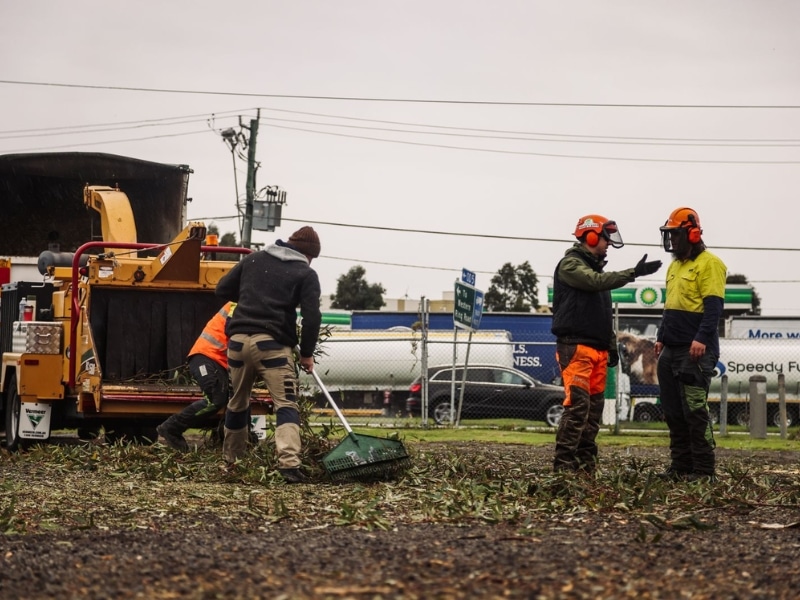
Tree lopping may reduce immediate risks, but doesn’t resolve root spread or long‑term hazards linked to umbrella trees. Lopping might seem like an easy fix, especially for large Australian umbrella trees, but the long‑term impact may be worse.
- Topped branches regrow poorly and attract more disease
- You’ll need to repeat lopping often, leading to higher costs
- Lopping doesn’t affect the umbrella tree roots, so underground spread continues
- Can lead to instability in older umbrella trees, increasing storm risk
Proper pruning or complete removal is often more sustainable and cost‑effective — another reason why leaving a dead tree standing creates serious risks.
Final thoughts
Responsible removal practices protect your garden, reduce waste, and limit harm to local ecosystems. Dealing with the umbrella tree invasive species means understanding what your garden needs, not just removing it for the sake of it. If you’re growing or managing an umbrella plant, knowing when to trim, replant, or entirely remove it matters. Sometimes umbrella plant care means letting go — especially if it’s affecting pipes, native trees, or becoming unsafe. When the job calls for a steady hand, innovative strategy, and proper local know‑how, learn how The Yard ensures safe and efficient tree removal — and keep your garden moving in the right direction.