

Tree roots near your home can cause serious headaches. From cracks in the slab to blocked pipes and uneven pathways, unchecked roots have a way of sneaking into places they shouldn’t. But if you’re eyeing a problematic stump or root system close to your property, you might be wondering — is it actually safe to grind roots that are sitting near your house’s foundation?
Let’s unpack this common concern and see what the pros have to say. We’ll cover what tree root grinding involves, potential risks to your home’s structural integrity, and how you can handle these roots without damaging your biggest asset — your home.
What Is Tree Root Grinding and How Does It Work?
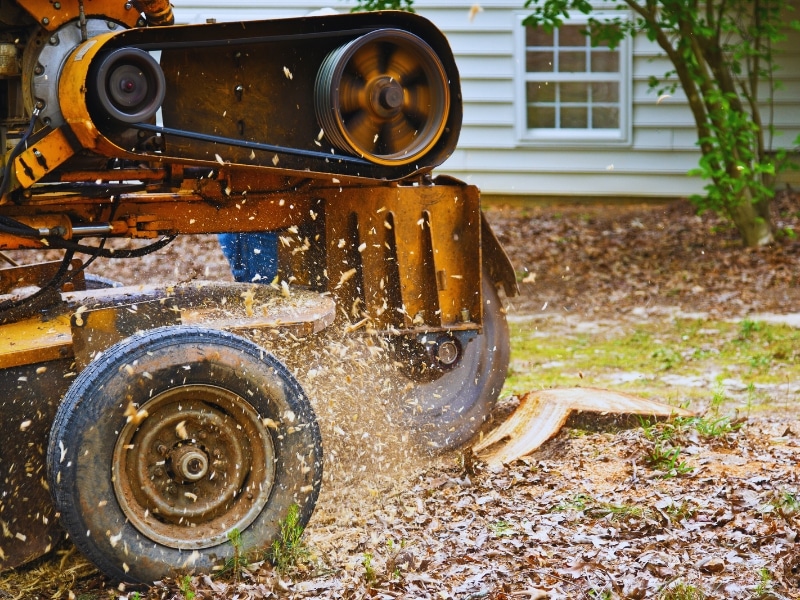
Tree root grinding is the process of removing or reducing leftover roots from a tree that’s already been cut down. This often happens alongside or shortly after stump grinding, especially if the roots are invasive or causing surface-level issues. Here are the key elements of the process:
- Powerful Machines Are Used: A stump grinder or root grinder is used to shred roots into mulch. These machines can be small (walk-behind models) or large for deeper grinding.
- Depth Matters: Most grinding reaches 20–30cm below ground, but deeper removal is possible with the right equipment.
- It’s Focused and Localised: Unlike excavation, grinding is targeted. Only the roots in question are affected, not your whole yard.
Why Are Tree Roots Near Foundations a Problem?
If you’ve got a tree stump near your home, there’s a good chance its roots extend underneath pathways, patios, or even the foundation slab. And here’s where things get tricky. Here are the common risks posed by tree roots near structures:
- Foundation Shifting: Roots don’t break through concrete, but they can alter the moisture content in surrounding soil, leading to slab movement and cracking over time.
- Surface Damage: They can lift pathways, driveways, and garden beds, creating trip hazards and drainage issues.
- Plumbing Invasion: Certain species (like figs or gums) are notorious for seeking water, often invading old pipes or causing blockages.
The longer you leave them, the more damage they can quietly do.
Can Grinding Roots Damage the Foundation?
Here’s the heart of the matter: Is root grinding itself risky for foundations? Here are the main concerns — and the real facts:
- Vibration and Machinery: Heavy grinding equipment does cause vibrations, but if used properly by a pro, they’re not strong enough to affect a stable concrete slab.
- Disturbing Supporting Soil: Grinding deep, wide roots close to the slab can potentially destabilise compacted soil, especially if the roots were providing some tension or support.
- Water Infiltration Risk: If large roots are removed, voids may be left, causing water to collect, and over time, this could lead to foundation erosion.
So, while grinding isn’t inherently dangerous, it needs to be done carefully.
How Do You Grind Tree Roots Safely Near Structures?
The key is expertise and proper technique. You can absolutely grind roots near a house — but not without a plan. Here are the smart ways to approach it:
- Get a Root Assessment First: Have a local pro inspect the root system. They’ll locate how far and deep the roots go, and whether they’re interacting with plumbing or the foundation.
- Use Precision Tools: Small grinders or hand tools may be better near tight areas. Avoid large-scale machines that risk disturbing nearby soil or brickwork.
- Create a Root Barrier: In some cases, it’s safer to cut the roots and install a barrier (plastic or metal) to stop regrowth toward your home.
- Fill Any Voids
After grinding, fill the area with compacted soil or sand, especially if it’s close to your foundation.
When Should You Avoid Grinding Roots Near a House?
There are certain situations where grinding may not be the best option, including:
- Extremely Large Root Systems: If the root diameter is huge and goes beneath your slab, grinding may not be enough — you may need partial excavation or root pruning.
- Slab Already Showing Cracks: If your house already has foundation damage, root removal might make things worse. A structural engineer should be called in.
- Trees Close to Retaining Walls: Removing roots could weaken the soil holding up walls or fences nearby.
In these cases, other methods like root pruning or barrier installation may be safer.
What Are the Pros and Cons of Root Grinding Near Foundations?
Here are the key things to weigh up before going ahead.
Pros
- Non-invasive compared to full excavation
- Fast and affordable root removal
- Reduces the risk of future growth or damage
- Improves soil stability over time if voids are filled correctly
Cons
- May expose weaknesses in nearby structures
- Not suitable for all root sizes or depths
- Needs experienced operators to avoid mistakes
- Incorrect backfill can cause erosion
Who Should Handle Tree Root Grinding Near Homes?
This isn’t your average DIY job. Tree root grinding near foundations should always be handled by a trained expert with the right tools and know-how.
Look for a team who:
- Has local experience in Sydney
- Offers both stump and root grinding
- Understands property structures and soil types
- Can advise on when to grind vs. when to cut
Final Thoughts: Is It Safe?
Yes — when it’s done thoughtfully and with the right strategy. While surface-level grinding typically poses little threat to your home, it’s essential to consider the tree’s location, root depth, soil type, and the proximity to existing infrastructure.
If you’re unsure, getting a professional assessment before doing any grinding is a smart first step. It can save you from much bigger issues later. For trusted advice and solutions, you can speak to The Yard’s team for help managing root-related concerns safely.