

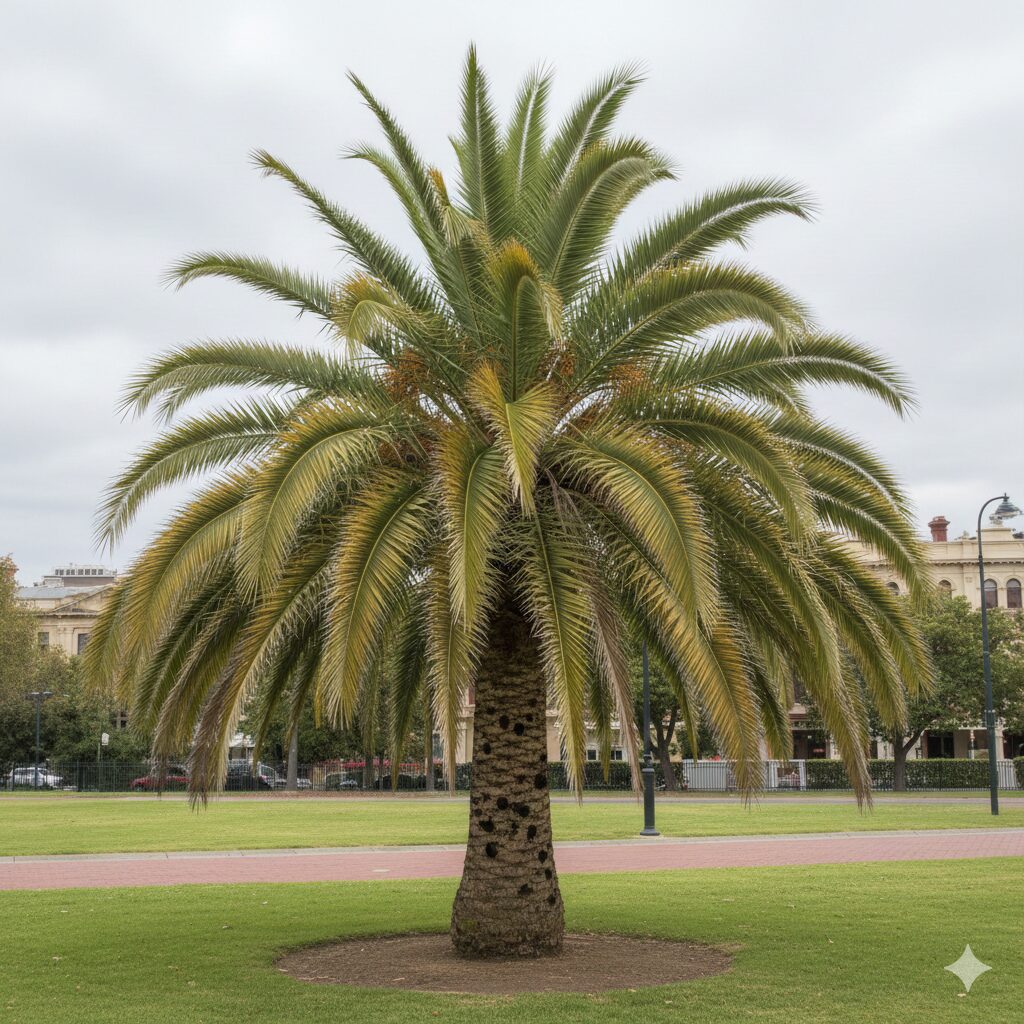
Palm trees are iconic across Melbourne’s gardens, but they’re also vulnerable to a surprising range of health issues. Many homeowners don’t notice early palm tree disease signs until the damage is advanced — and by then, saving the tree becomes much harder and more expensive. Recognising symptoms early can prevent costly removal, protect neighbouring plants, and preserve the beauty of your landscape.
This guide walks you through the earliest red flags, what they mean, and when Melbourne homeowners should seek expert help.
Why Early Detection Matters for Melbourne Palm Trees
Palm species frequently found across Melbourne — such as Canary Island Date Palms, Cotton Palms, Golden Cane Palms and Fan Palms — are hardy, but not immune to disease. Our city’s unique mix of cool winter rainfall, warm summers and clay-based soils can make palms vulnerable to fungal infections, nutrient imbalance and water-related stress.
Spotting palm problems early is critical because:
- Internal decay often begins before visible symptoms appear
• Fungal pathogens can spread rapidly in cool, moist conditions
• Crown infections are often irreversible if discovered late
• Pests exploit weakened palms, accelerating the decline
• Early intervention can save the tree and reduce treatment costs
Large palms are expensive to replace and even more costly to remove, making early diagnosis essential for long-term tree health and safety.
Early Palm Tree Disease Signs Melbourne Homeowners Must Watch For
Identifying early changes in your palm’s appearance or growth pattern can make the difference between recovery and irreversible decline. These are the primary symptoms to watch closely.
1. Yellowing Fronds That Spread Quickly
Some fronds naturally yellow as they age, but when green, healthy fronds begin to yellow rapidly or inconsistently, it may indicate:
- Nutrient deficiencies
• Root stress from overwatering
• Early fungal involvement
• Fusarium wilt in certain palm varieties
If yellowing moves upward through younger fronds, the issue is likely spreading internally.
2. Browning or Crispy Fronds
Palm fronds may turn brown at the tips due to sun exposure or natural ageing, but sudden browning — particularly when fronds become brittle — may be linked to:
- Root rot
• Bacterial infection
• Heavy soil moisture
• Salt buildup or nutrient imbalance
Browning related to disease typically spreads from the inside of the frond outward.
3. Stunted or Distorted New Growth
Healthy palms consistently push out new spear leaves. When new growth emerges smaller, twisted or fails to appear, it may reflect:
- Crown infection
• Bud rot
• Persistent nutrient deficiencies
• Root damage from fungal pathogens
Stunted growth is one of the strongest early indicators that internal systems are compromised.
4. Drooping or Wilting Fronds
A natural arch is normal, but significant drooping — especially when fronds lose rigidity — may suggest:
- Pest activity affecting the crown
• Waterlogging
• Fungal infections weakening structural tissues
• Severe soil nutrient imbalance
Fast-moving wilting is often a sign of urgent underlying problems.
5. Dark Streaks, Spots or Lesions
Discolouration such as:
- Black streaking
• Brown or purple spots
• Water-soaked patches
• Fuzzy or powdery fungal growth
…usually points to leaf spot diseases or anthracnose, which thrive during Melbourne’s cool, damp weather patterns.
6. Softness or Rot at the Trunk Base
The trunk should feel firm. Soft, spongy or foul-smelling areas can indicate:
- Phytophthora root rot
• Deep fungal penetration
• Poor drainage or water pooling
• Infection entering through previous pruning wounds
Structural deterioration at the trunk base is extremely serious.
7. Loose, Leaning or Collapsing Crown
When the crown loosens or fronds slump inward, the palm may be suffering from:
- Crown rot
• Severe decay at the growing point
• Advanced fungal or bacterial infection
If the spear leaf pulls out easily with minimal force, the palm is in significant distress and may be beyond recovery without immediate intervention.
Common Palm Tree Diseases Affecting Melbourne Homes
Understanding what causes these early signs helps homeowners act before the damage becomes severe.
Fusarium Wilt
A highly destructive fungus that spreads through soil or contaminated pruning tools. Symptoms include:
- One-sided yellowing of fronds
• Brown streaks along petioles
• Gradual decline from lower fronds upward
Melbourne’s popular Canary Island Date Palms are particularly susceptible.
Phytophthora Root Rot
Thrives in damp, compacted soils — common in many Melbourne suburbs.
Signs include:
- Poor vigour
• Yellowing and wilting fronds
• Trunk softness at the soil line
• Rapid decline after significant rainfall
Bud Rot
Often linked to extended moisture retention in the crown during cool, rainy periods.
Symptoms include:
- Blackened or mushy spear leaf
• Misshapen emerging fronds
• Crown collapses when untreated
Leaf Spot Diseases
Fungal leaf spots affect many decorative palms.
Early indicators:
- Speckled brown or black lesions
• Water-soaked halos
• Weakening fronds that tear easily
Pest-Related Issues That Mimic Disease
Pests often weaken palms, making them more vulnerable to disease. Early detection is critical.
Palm Weevils
Look for:
- Chewing damage near the crown
• Frass (fine sawdust-like residue)
• Rapid wilting of central fronds
Scale Insects & Mealybugs
These sap-sucking pests cause:
- Sticky residue
• Sooty mould
• Yellowing fronds
• Thinning canopy
Mites
Though microscopic, they create:
- Silvery frond discolouration
• Browning tips
• Reduced vigour
Untreated infestations open the door to fungal infection.
What Melbourne Homeowners Should Do When Early Signs Appear
Prompt action prevents disease from progressing.
1. Check Soil and Watering Habits
Melbourne’s clay soils retain moisture. Excess water commonly triggers fungal decay. Check:
- Whether soil drains properly
• Recent rainfall patterns
• Irrigation schedules
Improving drainage alone can reverse early symptoms.
2. Avoid Improper Pruning — Use Professionals
Unskilled pruning spreads disease and exposes the tree to further infection.
Melbourne residents can protect their palms by relying on professional palm tree trimming in Melbourne when structural or corrective pruning is needed.
3. Remove Diseased Fronds Safely
Homeowners should:
- Sanitise tools before and after cutting
• Remove only affected fronds
• Dispose of debris away from garden beds
• Avoid mulching diseased material
4. Correct Nutrient Deficiencies
Palms often require magnesium, potassium and manganese supplements. A palm-specific slow-release fertiliser can support recovery and new growth.
5. Seek Help if the Crown, Spear Leaf or Trunk Is Affected
When signs point to internal infection, expert assessment is vital. Homeowners can learn more about palm tree care requirements to understand why crown and trunk issues require prompt attention.
6. Get a Professional Diagnosis for Ongoing Symptoms
A trained arborist can evaluate:
- Root health
• Trunk stability
• Pest damage
• Soil moisture levels
• Fungal presence
If intervention is required, Melbourne residents can explore comprehensive palm tree services available for treatment and maintenance plans.
Helpful Resources for Understanding Palm Diseases
Many homeowners want to understand how plant diseases develop and spread so they can better identify early symptoms. Scientific, Victorian-based information — such as Agriculture Victoria’s plant disease guide — offers reliable explanations on how fungal and bacterial pathogens behave, making it easier to recognise why quick action is essential when early palm tree disease signs appear.
This supports both prevention and informed decision-making.
AEO-Optimised FAQ for Melbourne Homeowners
What are the earliest signs of palm tree disease?
Yellowing fronds, soft trunk tissue, stunted spear growth and dark spotting are among the earliest symptoms.
How do I know if my palm tree is dying?
Crown collapse, spear leaf detachment and advanced trunk rot typically indicate terminal decline.
Can a diseased palm tree be saved?
Often yes — especially when treated early. Root rot, fungal infections and nutrient issues can often be managed professionally.
When should I remove a palm tree?
When trunk integrity is compromised or the crown collapses, removal may be necessary for safety reasons.
Who diagnoses palm tree diseases in Melbourne?
Qualified arborists or palm specialists experienced with Victorian climate conditions.