

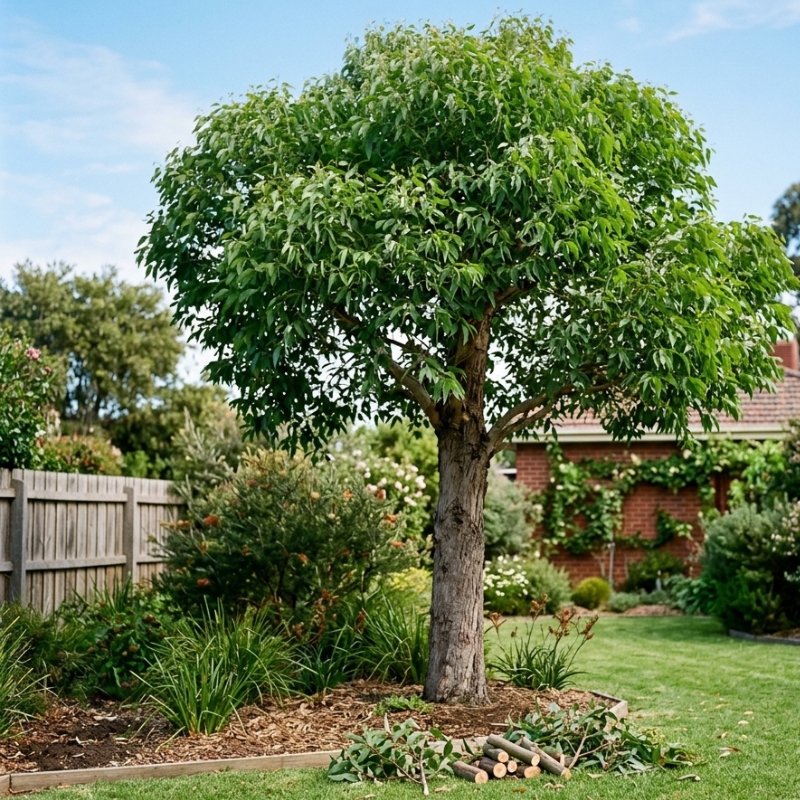
A mature eucalypt arching over a deck can be the pride of a Melbourne backyard—until a heavy limb drops after a September storm. That single incident usually prompts frantic calls to arborists, but the underlying issue often began years earlier. Regular, well-planned tree lopping removes structural weaknesses before they escalate, letting a tree thrive while protecting the people and property beneath it. It’s a balance of biology and risk management, not a cosmetic shortcut.
Early in the planning stage, many homeowners ask whether professional tree lopping in Melbourne is really necessary if a tree “looks healthy”. Appearance alone can be deceptive. Hidden decay pockets, crossing branches and wind-sail can all threaten a tree’s stability long before anything seems wrong from ground level.
Healthy Canopy, Strong Roots
Trees allocate resources where they sense demand. If a canopy becomes excessively dense, inner leaves receive less light, limbs compete for space and the root system strains to feed surplus foliage. Strategic canopy reduction via lopping:
- Increases sunlight penetration, encouraging new interior growth rather than spindly outer shoots.
- Reduces wind resistance (“sail area”) so roots experience less torsional stress during storms.
- Allows greater air circulation, lowering the humidity that encourages fungal pathogens such as Armillaria.
Melbourne’s clay soils make many species vulnerable to root-rot if water pools under an overly shaded drip line. A lighter canopy lets rainfall evaporate faster and improves ground-level turf health at the same time. Arborists target no more than 20–25 % foliage removal in a single session to avoid shocking the tree’s vascular system.
Decay Detection
Lopping also exposes the crown’s architecture, giving professionals a clear sight-line to cavities, burrowing insects or included bark (where two stems fuse badly). Catching these defects early is far cheaper than emergency removals later, especially when council permits enter the equation.
Safety First—People, Powerlines and Property
Despite the ecological benefits, the safety argument often resonates most with clients. Large branches can exceed 500 kg. When they fall, roofs, vehicles and garden structures usually take the hit. Proper lopping mitigates four common hazards:
| Hazard | Typical Outcome | How Lopping Helps |
| Over-extended limbs | Sudden limb drop in high heat or wind | Weight reduction and end-weight pruning relieve stress points |
| Deadwood in canopy | Falling brittle branches | Deadwood removal during lopping sessions |
| Branch-powerline conflict | Fire risk, service outages, legal penalties | Clearances set by Energy Safe Victoria standards |
| Sightline interference | Obstructed driveways, footpaths or CCTV | Selective crown lifting improves visibility |
Insurance claims for tree-related damage often hinge on whether “reasonable maintenance” was performed. Scheduled lopping demonstrates duty of care, improving the odds of coverage if something unforeseen occurs.
Bushfire and Storm Season Timing
Melbourne’s climate delivers gusty northerlies in spring and sudden southerly changes in summer. Arborists aim to finish structural lopping before September to give wounds time to compartmentalise ahead of peak winds. If bushfire is a concern in fringe suburbs, reducing ladder fuels—the low branches that let ground fires climb into the canopy—is critical.
Signs Your Tree Is Due
Clients sometimes struggle to decide if pruning can wait another year. The checklist below is a practical starting point:
- Bark cracks radiating from branch unions
- Mushrooms or fungal brackets on trunk or root flare
- Limbs resting on roof tiles or within one metre of guttering
- Persistent leaf drop directly after moderate winds
- Sap bleed or frass indicating borer activity
If two or more signs appear, arrange an assessment rather than guessing. For Permit Overlay areas, our in-house team cross-checks local council rules to avoid fines.
Homeowners researching compliance often land on our deeper resource, the Melbourne tree removal permit guide. It outlines zones, exemptions and paperwork timeframes so projects stay legal.
Professional Technique Beats DIY Cuts
A pole-saw session on a Saturday might feel cost-effective, yet DIY work causes a surprising share of arbor injuries reported to WorkSafe Victoria. Beyond physical risk, improper cuts can initiate decay columns that spread down the trunk.
Qualified arborists follow Australian Standard AS 4373-2007 to:
- Use notch and back-cut methods that prevent bark tearing on larger limbs.
- Sterilise tools between trees to curb pathogens like Myrtle Rust.
- Apply pruning sealant only when species biology demands it—excess sealant can trap moisture against wounds.
Crucially, reputable teams carry public liability insurance and can supply evidence of current coverage on request.
Long-Term Cost Comparison
Faced with quotes, some property managers debate postponing lopping in favour of reactive cleanup. A multi-year view shows why that rarely pays off:
| Scenario (10-Year Span) | Spend Pattern | Likely Outcome | Overall Cost Trend |
| Planned lopping every 2–3 years | Small, predictable invoices | Healthier tree, minimal damage | Flat, budgetable |
| No maintenance until failure | No spend, then emergency works | Unscheduled removals, roof repairs, possible injury claim | Spiky, potentially triple planned cost |
Numbers fluctuate by species and site access, yet the pattern holds: prevention equals steadier expenditure and far fewer headaches.
External Regulation Keeps Standards High
Work near live lines requires adherence to the Electrical Safety (General) Regulations 2019. Energy Safe Victoria publishes plain-English clearance distances and authorised contractor requirements. Their up-to-date guidance is a go-to reference for both arborists and residents: Energy Safe Victoria advice on trees and powerlines.
Knowing these limits avoids penalties and, more importantly, prevents electrocution accidents that still occur each year across the state.
Final Word
Tree lopping is not about hacking a canopy into shape; it is a calibrated intervention that keeps trees vigorous and households secure. Scheduled works improve light, reduce wind-sail, uncover hidden decay and meet legal obligations around powerline safety. Skipping maintenance might appear to save cash short-term, yet emergency removals, property damage and insurance disputes quickly erase those savings. Engage qualified professionals, ask for AS 4373 compliance and treat each session as an investment in the health of both your landscape and everyone who enjoys it.