

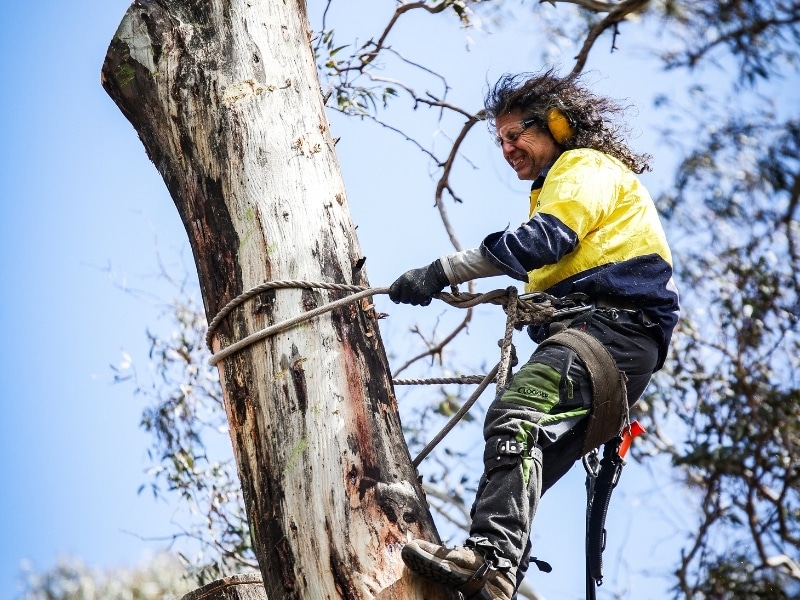
Tackling an ash tree removal job isn’t just about grabbing a chainsaw and hoping for the best. If you’ve got a mature tree in your yard — especially one near fences, wires, or structures — there’s a lot that can go pear-shaped fast. The risks? They’re real. So, what steps should you follow to do it safely? At its core, ash tree removal involves planning ahead, utilising proper equipment, and adhering to the relevant laws. Whether the tree’s dead, infested, or simply outgrown its welcome, there’s a safe way to handle it. This article covers key safety tips, gear, and council rules — plus how the pros manage risk when removing large ash trees.
What are the risks of DIY ash tree removal without equipment?
Many people underestimate the dangers of tree removal. A few snips with a saw might seem harmless, but one wrong move could land you in the hospital — or worse. Here are the common risks that come with going it alone:
- Branches dropping without warning: Especially in trees that are already damaged or unstable.
- Improper cuts: Making the wrong notch can cause the entire tree to crash in the wrong direction.
- Chainsaw accidents: These tools don’t forgive mistakes — one slip is all it takes.
- Falling from height: Most injuries happen when people climb without the proper harness or support.
- Powerline danger: If limbs are tangled in overhead wires, it’s not just risky — it’s illegal without proper clearance.
Even if you’re confident with tools, without the proper rigging setup or ground crew, you’re flying blind. For example, limbs should be lowered gradually, rather than being allowed to crash down freely.
Additionally, ash trees don’t always behave like other trees. If borers have attacked them or are rotting inside, they can give way suddenly — even mid-cut. That unpredictability makes solo jobs incredibly risky.
How does ash tree removal protect nearby structures and utilities?
Sometimes, trees aren’t dangerous because they’re tall — they’re unsafe because of where they’re standing. An ash tree too close to a shed, a driveway, or your neighbour’s yard can cause all sorts of headaches. Here are the ways one can prevent damage:
- Halts root intrusion: Tree roots can lift footpaths or creep into drains, causing blockages.
- Avoids structural damage: Large limbs can scrape or smash roofs, fences, and windows.
- Reduces fire risk: Dead or dry branches add fuel to the fire during bushfire season.
- Keeps powerlines clear: Falling branches and electricity never mix well.
- Reduces leaf litter: Regular shedding prevents clogs in gutters and reduces the risk of water overflows.
Removing a tree safely means knowing how to control the fall of every branch and section. You can’t just cut and hope for the best — especially near fragile structures. That’s why experienced teams use safe tree removal methods for residential areas to bring trees down in controlled stages. Every job starts with a site check — spotting nearby obstacles, planning escape routes, and protecting surfaces before a single cut is made.
Why should licensed arborists manage complex tree removals?
You might be handy with tools, but arborists do more than chop trees. They’ve trained for years to understand tree structure, assess risks, and use specialised gear you won’t find at the local hardware store. Here are some of the biggest reasons to bring in a licensed expert:
- Risk knowledge: They know how to spot hidden damage inside the trunk or branches.
- Special gear: From pulleys to elevated work platforms, they’ve got the right tools for any job.
- Insured and certified: If something goes wrong, you’re not left footing the bill.
- Permit ready: Councils often need professional reports to approve removal.
- Eco-aware: They manage habitat disruption and disease spread.
They’ll often start by assessing hazardous trees before removal, checking for signs of decay or leaning that may not be immediately apparent. And it’s not just about cutting — they know how to dismantle a tree in sections, lower limbs safely, and manage the cleanup without damaging your lawn or driveway. In short, if the tree’s tall or tricky to reach, leave it to the experts.
Which safety gear is required during large tree removals?
A proper ash tree removal job starts long before the saw gets fired up. It starts with safety gear — the stuff that keeps arborists protected if something goes sideways. Here are the must-haves:
- Hard hat with visor: Shields your head and eyes from flying bark and debris.
- Chainsaw chaps: Made to stop a running chainsaw blade if it slips.
- Safety gloves: Help maintain grip while keeping hands protected.
- High-visibility clothing helps crews stay visible, especially in street jobs.
- Tree-climbing harness: Prevents serious falls when working at height.
- Ear and eye protection: Because chainsaws are loud and unpredictable.
Not sure what does what? Here’s a table showing when and why each item is used:
| PPE Item | What it’s for | When it’s worn |
| Helmet + face shield | Protects the head and eyes | Always during cutting or felling |
| Leg chaps | Prevents leg injury from saw blades | Chainsaw operation |
| Tree harness | Anchors climbers safely | Whenever climbing is needed |
| Gloves | Protects against splinters and cuts | Handling wood, tools, or machinery |
| High-vis vest or shirt | Improves visibility on the site | Street or urban removals |
| Ear protection | Reduces risk of hearing loss | While using loud power tools |
Skipping any of this gear is asking for trouble. Even short jobs need full PPE — injuries don’t give warnings.
How do council rules impact ash tree removal in residential areas?
Thinking of removing a tree? It’s best to double-check with your local council first. Just because it’s on your land doesn’t mean you’ve got the green light. Here are the most common council requirements:
- Permit thresholds: Trunk width, height, or tree type might trigger the need for approval.
- Heritage or conservation zones: Extra rules apply in these areas, even for dead trees.
- Neighbour rights: If the tree straddles the boundary, you may need written consent.
- Mandatory replanting: Some councils require new plantings to be made after old ones are removed.
- Time restrictions: Chainsaws might not be allowed during certain hours.
Councils can be strict. Fines for unauthorised removal can climb into the thousands. That’s why it’s smart to work with professionals who can handle the paperwork. They’ll also help you understand signs of decline — like brittle branches or canopy thinning — which are key in identifying risks of dying trees in urban areas. Even if a tree appears healthy, internal decay may render it hazardous — and urgent removal may still require council sign-off.
Can traffic and pedestrian safety be managed during ash tree removal?
If your tree hangs over a street, footpath, or shared driveway, safety becomes more than just a personal concern. You’ll need to manage how others move around the work zone.
Here are the go-to methods for keeping things safe:
- Traffic controllers on site: Direct vehicles safely during large-scale removals.
- Footpath detours and cones: Stop passers-by from walking under active drop zones.
- Clear signage: Warns drivers and pedestrians ahead of time.
- Neighbour alerts: Keeps locals informed and reduces complaints.
- Job timing: Crews often start early or during off-peak hours to minimise disruption.
Safety planning in urban areas also covers tree condition. If your ash is infested, unstable, or at risk of falling, take action promptly. That includes checking surrounding trees — and considering treatments or costs involved.
In some cases, you should also review ash borer treatment costs to understand how to manage broader tree health. Traffic safety, council permissions, and crew coordination — they all matter in keeping your street and site injury-free.
Final thoughts
Ash tree removal isn’t something to be taken lightly. Between the gear, the council red tape, and the risk to nearby buildings, it’s easy to get overwhelmed — or end up with more damage than you started with. When the tree’s big or in a tricky spot, handing it off to the pros isn’t just the safe bet — it’s the smart one. They have the necessary tools, training, and paperwork in order. Ask The Yard about professional tree removal services if you’re ready to do it correctly and without drama.